Support
March 1, 2026
Healing Under Shadow: Supporting the Invisible 90%
We support women navigating grief and trauma in the criminal legal system.

We support women navigating grief and trauma in the criminal legal system: especially the 1.2 million who remain invisible while healing in the shadows.
The Invisible Majority
Did you know? More than 90% of people involved in the criminal legal system are not incarcerated. They're living among us. Working next to us. Standing in line at the grocery store. Sitting in church pews. Dropping their kids at school.
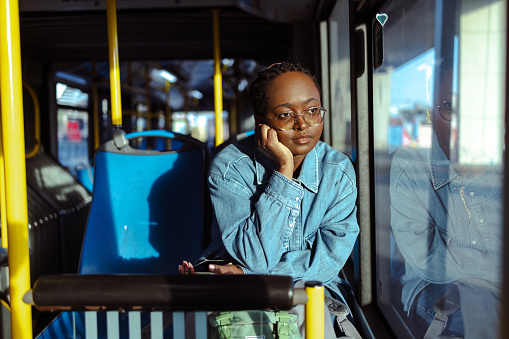
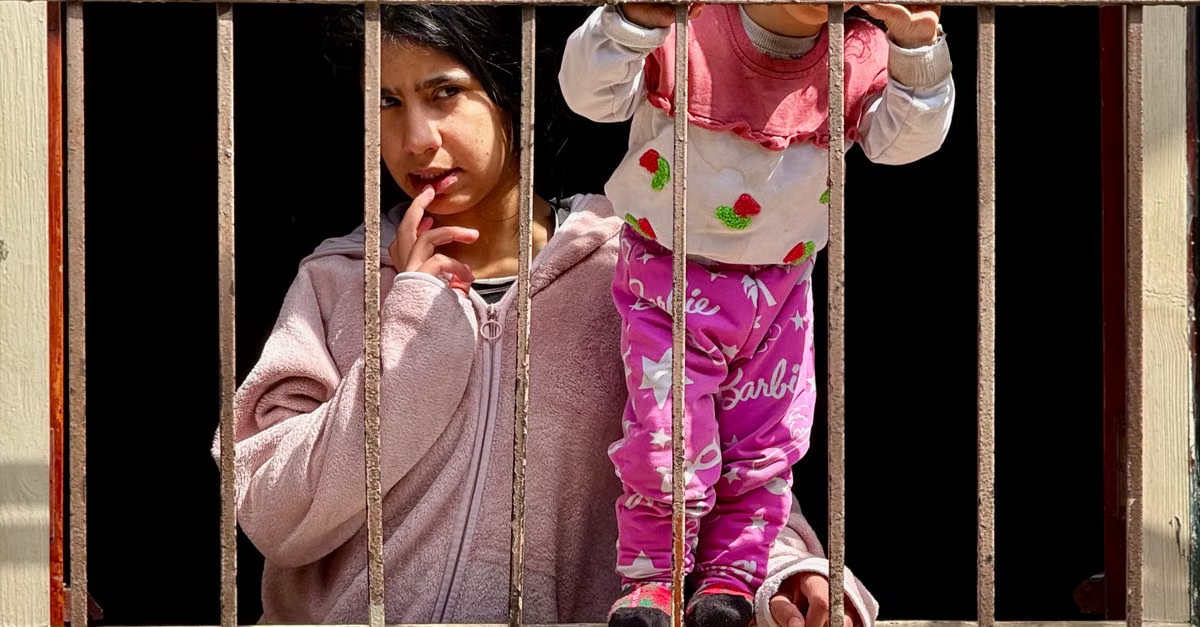
They are the invisible majority: the 1.2 million women on probation and parole who navigate daily life under shadow.
We talk about mass incarceration. We organize around those behind bars. We advocate for prison reform. But who's talking about the women who've returned? Who's acknowledging the profound grief they carry while trying to rebuild their lives outside the walls but still within the system?

What It Means to Live "Under Shadow"
To be "under shadow" means you're technically free, but your freedom has terms and conditions.
It means every decision: where you live, who you see, where you work, how you spend your time: passes through the filter of compliance. One misstep, one missed appointment, one failed drug test, and you could lose everything again.
It means you're constantly performing your rehabilitation for an audience of probation officers, employers, landlords, and family members who may or may not believe in your ability to change.
It means your grief: the losses that brought you into the system, the trauma you experienced within it, the life you left behind: doesn't get space to breathe because you're too busy proving you deserve a second chance.
This is disenfranchised grief in its most complex form: grief that society refuses to recognize because you're not supposed to grieve when you should be grateful you're not locked up.
The Grief No One Acknowledges
The women living under shadow carry layers of loss that intersect and compound:
The loss of time. Years stolen that can never be reclaimed. Children who grew up without you. Relationships that dissolved. Careers that ended.
The loss of identity. You're no longer just you: you're a "former offender," an "ex-con," a person with a record that precedes your presence in every room.
The loss of autonomy. Even outside prison walls, you're not fully free. Your life is monitored, managed, and contingent on someone else's assessment of your progress.
The loss of trust. From others who see your record before they see your humanity. From yourself, because the system taught you that you can't be trusted.
The loss of belonging. You don't fit in the incarcerated world anymore, but you don't fully fit in the "free" world either. You exist in the in-between, navigating uncharted territory without a map.

Why Recognition Matters
When grief goes unacknowledged, it doesn't disappear: it goes underground.
It emerges as anxiety that makes you miss appointments. As depression that makes getting out of bed feel impossible. As hypervigilance that makes you seem "difficult" or "non-compliant." As substance use that becomes a violation instead of a cry for help.
The system often interprets these symptoms as moral failures rather than what they are: normal human responses to abnormal levels of loss and trauma.
Recognition matters because you cannot heal what you cannot name.
When we acknowledge the grief of women under shadow, we create space for:
- Compassion instead of judgment
- Support instead of surveillance
- Healing instead of just compliance
We shift the narrative from "What's wrong with you?" to "What happened to you?" And more importantly: "What do you need to heal?"

he Weight of Being Invisible
There's a particular cruelty in being both hypervisible and invisible at the same time.
Women under shadow are hypervisible to the system: monitored, tracked, assessed, scrutinized. Your mistakes are magnified. Your progress is measured. Your every move matters.
But you're invisible to society: your stories untold, your needs unmet, your grief unrecognized. The statistics about criminal legal involvement rarely break down to show that most people are not behind bars. The conversations about reentry often end at the prison gates, as if returning home solves everything.
It doesn't.
The storm of grief doesn't stop when you get released. Often, it intensifies. You're expected to immediately "get your life together" while processing years of trauma, navigating a system designed to catch you failing, and grieving all the losses that compound with each passing day.
Creating Space for Healing
So what does support look like for the invisible 90%?
It starts with seeing them. Not just their records, not just their compliance status, but their full humanity: their resilience, their dreams, their right to grieve.
It continues with specialized support that understands the unique intersection of grief, trauma, and system involvement. Traditional grief support often doesn't account for the complexity of grieving while monitored, while fighting for custody, while trying to find housing with a record.
It requires trauma-informed approaches that recognize behaviors as adaptations rather than character flaws. That understand why someone might struggle with authority, why trust takes time, why "just showing up" sometimes takes every ounce of strength a person has.
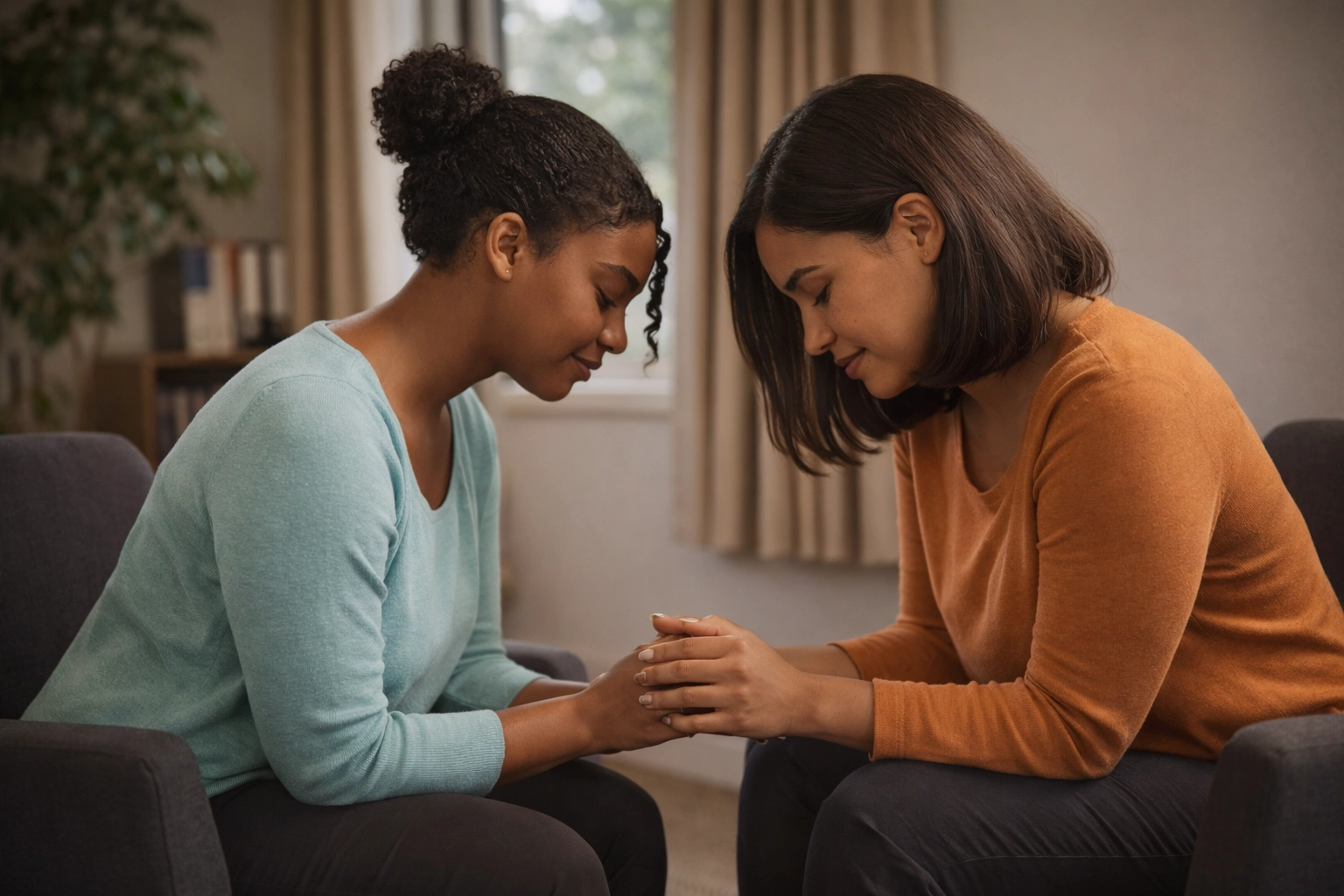
It means creating brave spaces where women can name their losses without shame. Where they can process their anger, their fear, their profound sadness about what was and what might have been. Where they can grieve the person they were before and begin to envision who they're becoming.
You Are Not Invisible to Us
If you're reading this and you're living under shadow: navigating probation or parole while trying to rebuild your life: we see you.
We see your strength in showing up every day despite carrying grief that would bring others to their knees. We see your courage in trying again after the system has shown you failure at every turn. We see your resilience in holding onto hope when everyone around you seems to expect you to fail.
Your grief is real. Your losses matter. Your pain deserves acknowledgment.
You are not "lucky to be out." You are surviving extraordinary circumstances while processing extraordinary grief. That's not something to minimize: it's something to honor.
Moving Forward
Healing under shadow is possible, but it requires recognition, resources, and radical compassion.
It requires us as a society to expand our understanding of who deserves support. To acknowledge that the women we can't see: the 90% navigating the system from the outside: carry grief that's just as profound as those behind bars.
It requires specialized services that meet women where they are, that understand the complexity of their experiences, that don't require them to choose between compliance and healing.
And it requires those of us doing this work to keep the invisible visible: to advocate, to educate, to create pathways for healing that acknowledge the full humanity of every woman touched by the criminal legal system.
The shadows are deep, but healing is possible. You don't have to navigate this alone.
About the author
Ayana Thomas, Grief Practitioner AKA The Grief Coach, brings over 20 years of experience at the intersection of human services, grief support, and justice-impacted systems. As the founder of Grieving Back to Life, Ayana’s work centers grief beyond death, addressing loss tied to trauma, incarceration, identity, and life disruption through trauma-informed, dignity-centered care.
Her approach combines lived experience and professional practice, creating spaces where grief is witnessed, not fixed, and healing unfolds at a human pace.
Gentle next step
If you’re considering reaching out, you’re welcome to contact us when you’re ready