July 20, 2026
Motherhood Behind Bars: A Living Death
Women navigating loss, trauma, and separation deserve grief-informed care that sees the whole story.
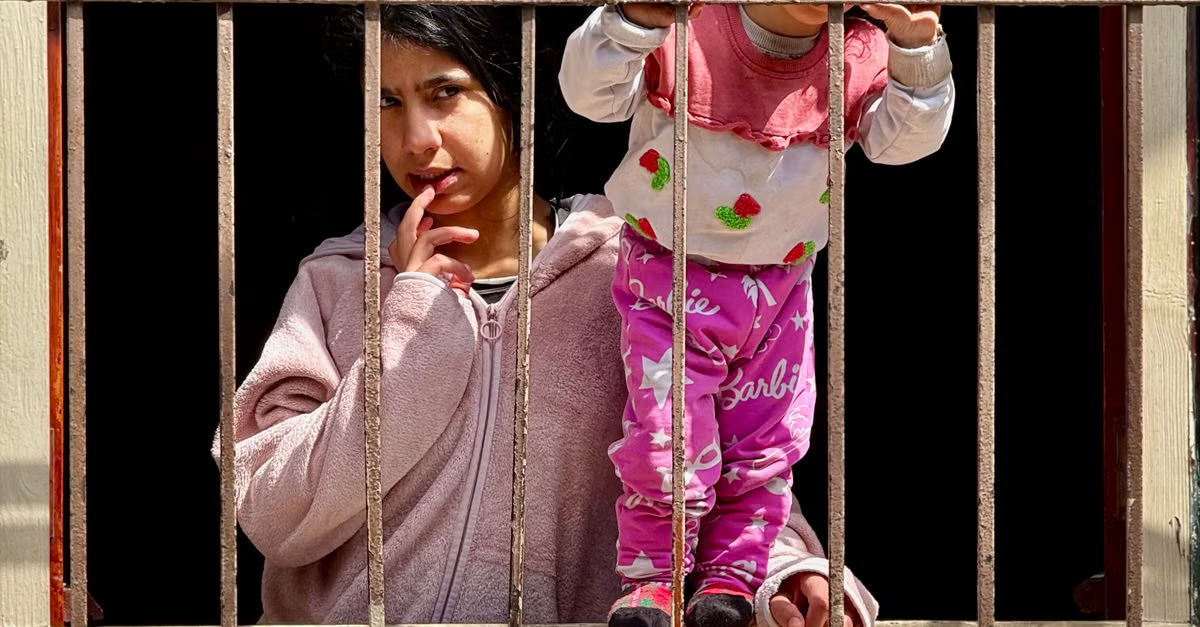
A sentence doesn't just happen to the woman; it’s a life sentence of “where’s mommy?” for the child. We aren't just helping women; we’re fighting to save family trees that the system is trying to chop down.
It happens to the child.
It happens to the grandmother.
It happens to the kitchen table with one chair sitting empty.
It happens to the bedtime routine that no longer sounds the same.
It happens in the hush of night when a little voice asks, “Where’s mommy?”
This is the invisible sentence families serve.
This is the ache nobody writes into the court record.
This is the disenfranchised grief of maternal separation. The kind of grief that lives in the body. The kind of grief that steals language. The kind of grief that leaves a profound void in the heart while the world keeps moving as if nothing sacred has been broken.
We know this truth deeply: we are not just helping women; we are fighting to save family trees the system is trying to chop down.
Grief is hard, finding help doesn't have to be!
The Invisible Numbers: The Real Cost of a Sentence
When we talk about incarceration, we cannot only talk about the person sentenced. We have to talk about the family altered. The child waiting. The home reshaped by absence. The roots stressed beneath the surface.
Did you know?
- Did you know? Over 5 million U.S. children—about 7% of all minors—have experienced a residential parent’s incarceration at some point.
- Did you know? On any given day, approximately 2.7 million children have a parent in prison or jail.
- Did you know? The impact is disproportionate: 1 in 9 Black children has a parent behind bars compared to 1 in 57 white children.
- Did you know? Incarcerated mothers are 5 times more likely to have their children placed in foster care than incarcerated fathers.
- Did you know? 58% of women in state prisons are parents of minor children.
These numbers are not floating in some distant report. They live in real houses. They live in school hallways. They live in foster care files. They live in children’s questions. They live in mothers’ bodies.
This is why incarceration is not just an individual issue. It is a family impact issue. It is a grief issue. It is a trauma issue. It is a community issue.
When millions of children are touched by parental incarceration, we are looking at more than punishment. We are looking at interrupted attachment. We are looking at loss of identity after trauma. We are looking at children and mothers both trying to survive a wound they did not choose.
And still, we believe healing is possible. Even here. Especially here.
Our Mission
At Ayana Thomas Initiative LLC, our mission is to support ALL women through loss, trauma, and life disruption, with a specialized focus on women impacted by the criminal legal system. Through The G.R.I.E.F. Initiative™ and Grieving Back to Life™, we help you name what hurts, honor what was taken, and rebuild what still deserves to live.
We believe grief is not weakness.
We believe grief is not failure.
We believe grief is not something you “get over.”
We believe grief, when witnessed with dignity, can become a doorway to grief healing, restoration, and renewed purpose.
As bell hooks reminds us, “Rarely, if ever, are any of us healed in isolation. Healing is an act of communion.”
The Invisible Sentence Families Serve
When a mother is incarcerated, the punishment does not stop at the prison gate.
It spills into school mornings.
It spills into missed birthdays.
It spills into unanswered questions.
It spills into identity.
It spills into belonging.
A child may not have the language for policy, incarceration, or systems harm. But a child knows absence. A child knows when tears become the constant dialogue in a house trying to stay strong. A child knows when love is present, but access is gone.
And for the mother, this separation is not only physical. It is emotional. Spiritual. Psychological. It can feel like a storm of grief with no safe shoreline in sight.
This is where grief after incarceration and family separation must be spoken aloud for what they are: public health, mental health, and human dignity issues.
Did you know?
- Did you know? More than 1.2 million women in the United States are incarcerated, on probation, or on parole—many of them mothers navigating separation, stigma, and unresolved loss.
- Did you know? A large majority of incarcerated women are mothers of minor children, meaning incarceration often disrupts attachment, caregiving, and family stability across generations.
- Did you know? Many justice-impacted women have histories of trauma, abuse, and significant loss before incarceration ever begins, making trauma recovery for incarcerated women and trauma support for women urgent and necessary.
These are not just numbers. These are names. These are families. These are roots under pressure, still trying to hold.
The Disenfranchised Grief of Maternal Separation
There is grief after death.
And then there is grief after separation that the world refuses to call grief.
Maternal separation creates a loss that is living, breathing, and ongoing. The mother is still here. The child is still here. But the relationship is interrupted by bars, distance, surveillance, shame, and silence. That kind of pain can make you feel like you are mourning someone who is alive.
That is disenfranchised grief.
It is grief without permission.
Grief without casseroles.
Grief without sympathy cards.
Grief without public understanding.
You may be grieving the loss of daily touch.
You may be grieving the loss of being called “mommy” in real time.
You may be grieving the loss of authority, routine, connection, and trust.
You may be carrying the loss of identity after trauma while trying to survive a system that keeps reducing you to your worst chapter.
But you are more than a record.
You are more than a sentence.
You are more than what happened.
You are still worthy of healing.
You are still worthy of return.
You are still worthy of becoming whole.
What Happens to the Child — The “Where’s Mommy?” Wound
Children often carry grief in fragments.
A stomachache before school.
A sudden anger they cannot explain.
A silence that gets misread as defiance.
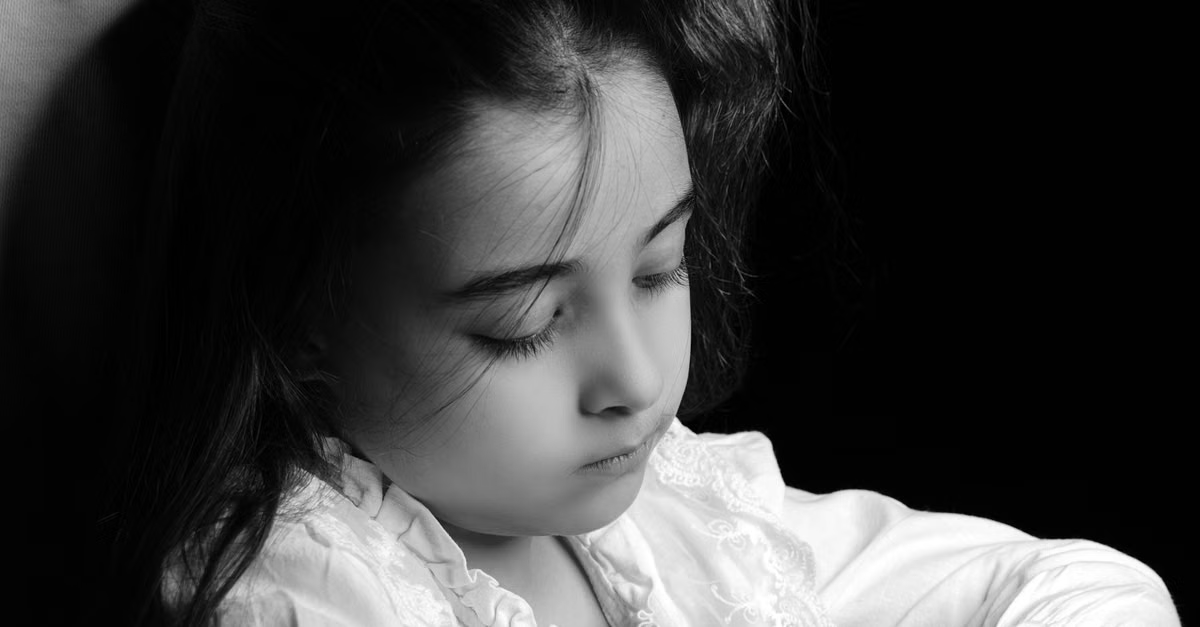
A bedtime question that breaks the room in two: “Where’s mommy?”
That question is not small.
It is a wound.
It is confusion.
It is longing.
It is fear that love has disappeared.
When maternal separation is not named with honesty and care, children can internalize abandonment, shame, and self-blame. They may wonder if they caused the absence. They may create stories to survive what no adult has helped them understand. They may learn to harden early. They may learn not to ask. They may learn to carry heartbreak in secret.
This is why women healing trauma cannot be separated from children healing too.
When a mother is given space for resilience after loss, when she is supported in truth-telling, repair, and emotional restoration, the possibility of intergenerational healing grows. The question “Where’s mommy?” can begin to transform into “Mommy is healing. Mommy is coming back to herself. Mommy still loves me.”
That shift matters.
That shift is sacred.
That shift can change a life.
How the System Tries to Chop Down Family Trees
Let us say it plainly: systems do not only punish behavior. Too often, they fracture belonging.
They separate mothers from children.
They weaken attachment.
They increase stigma.
They interrupt housing, employment, caregiving, and reentry.
They destabilize entire family ecosystems.
The damage does not stop with one woman.
It reaches sons.
It reaches daughters.
It reaches aunties.
It reaches grandparents.
It reaches the next generation and the next.
That is how family trees are chopped down—branch by branch, visit by missed visit, wound by untreated wound.
But even a cut tree remembers its roots.
Even now, mothers are fighting to stay connected.
Even now, children are reaching back with drawings, letters, and questions.
Even now, families are trying to navigate uncharted territory with little support and far too much shame.
This is why our work is not charity. It is restoration. It is interruption. It is an act of protection for lineages under pressure.
As Bryan Stevenson has said, “Each of us is more than the worst thing we’ve ever done.” We hold that truth close, because healing-centered care must make room for accountability, dignity, and humanity to live in the same room.
The G.R.I.E.F. Initiative’s Approach to Healing Mothers and Saving Family Trees
At The G.R.I.E.F. Initiative™, we understand that grief is often the unnamed force beneath survival strategies, shutdown, anger, numbness, and despair. We know that trauma support for women must be more than advice. It must be rooted in safety. In truth. In witness. In compassion.
So we guide women through the storm.
We create spaces where grief is named without judgment.
We honor losses tied to freedom, family, identity, relationships, and self-worth.
We support grief healing that includes emotional regulation, healthy coping, self-understanding, and accountability.
We center dignity for women impacted by incarceration and life disruption.
We help restore the inner voice that trauma tried to silence.
Our work through Grieving Back to Life™ recognizes that a mother’s healing is never only about one person. When a woman begins to heal, a child can breathe easier. A relationship can soften. A family can begin again. A tree can keep living.
This is the heart of trauma recovery for incarcerated women and grief after incarceration: not pretending the pain did not happen, but refusing to let pain have the final word.
Healing is possible.
Repair is possible.
Return is possible.

A Hopeful Closing Invitation
If this story touches something tender in you, you are not alone.
If you are carrying separation, shame, silence, or sorrow, you are not alone.
If you love someone behind bars.
If you are a mother grieving lost time.
If you are a woman rebuilding after trauma.
If you are a supporter, advocate, healer, or community member who believes families deserve more than punishment by proximity—you are not alone.
We invite you to join the movement.
Join us in telling the truth about disenfranchised grief.
Join us in making space for women healing trauma.
Join us in protecting family bonds from systems that too often profit from fracture.
Join us in helping mothers come back to themselves, and helping children know they were never forgotten.
Because we are not only serving women.
We are helping save family trees.
We are helping roots hold.
We are helping hope live.
Join the movement for healing, dignity, and restoration today.
About the author
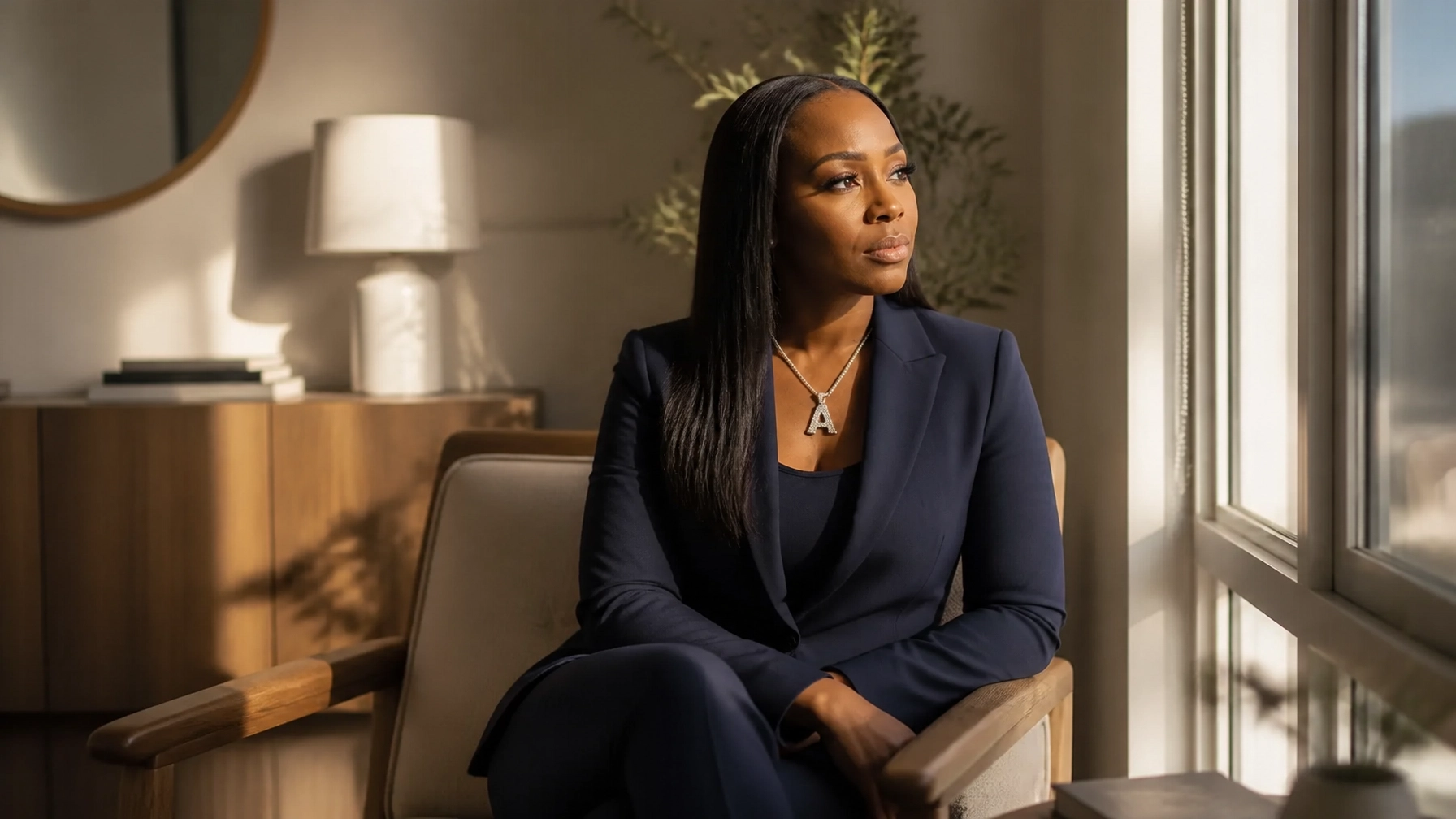
Ayana Thomas, Grief Practitioner AKA The Grief Coach, brings over 20 years of experience at the intersection of human services, grief support, and justice-impacted systems. As the founder of Grieving Back to Life, Ayana’s work centers grief beyond death, addressing loss tied to trauma, incarceration, identity, and life disruption through trauma-informed, dignity-centered care.
Her approach combines lived experience and professional practice, creating spaces where grief is witnessed, not fixed, and healing unfolds at a human pace.
Gentle next step
If you’re considering reaching out, you’re welcome to contact us when you’re ready