Support
March 3, 2026
The Reentry Gap & Healing as a Legacy: Bridging the Divide
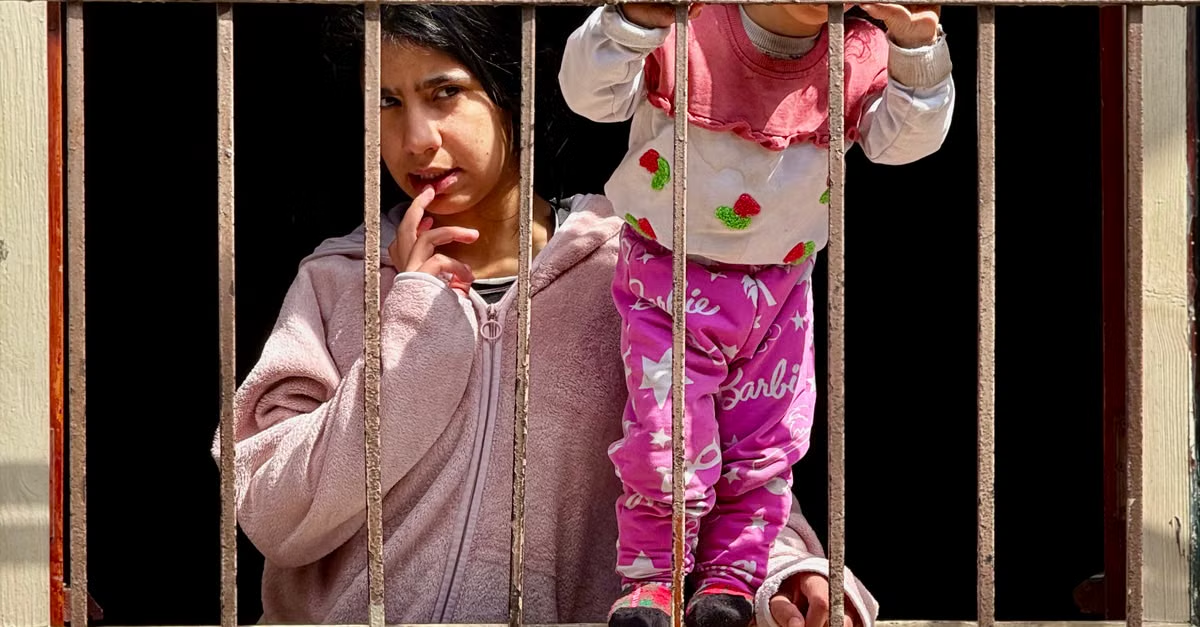
Coming home should feel like freedom, but for many women returning from incarceration, it feels like standing at the edge with no bridge forward.

We support women navigating the profound grief of reentry after incarceration, because the space between who you were and who you're becoming deserves to be honored, not ignored.
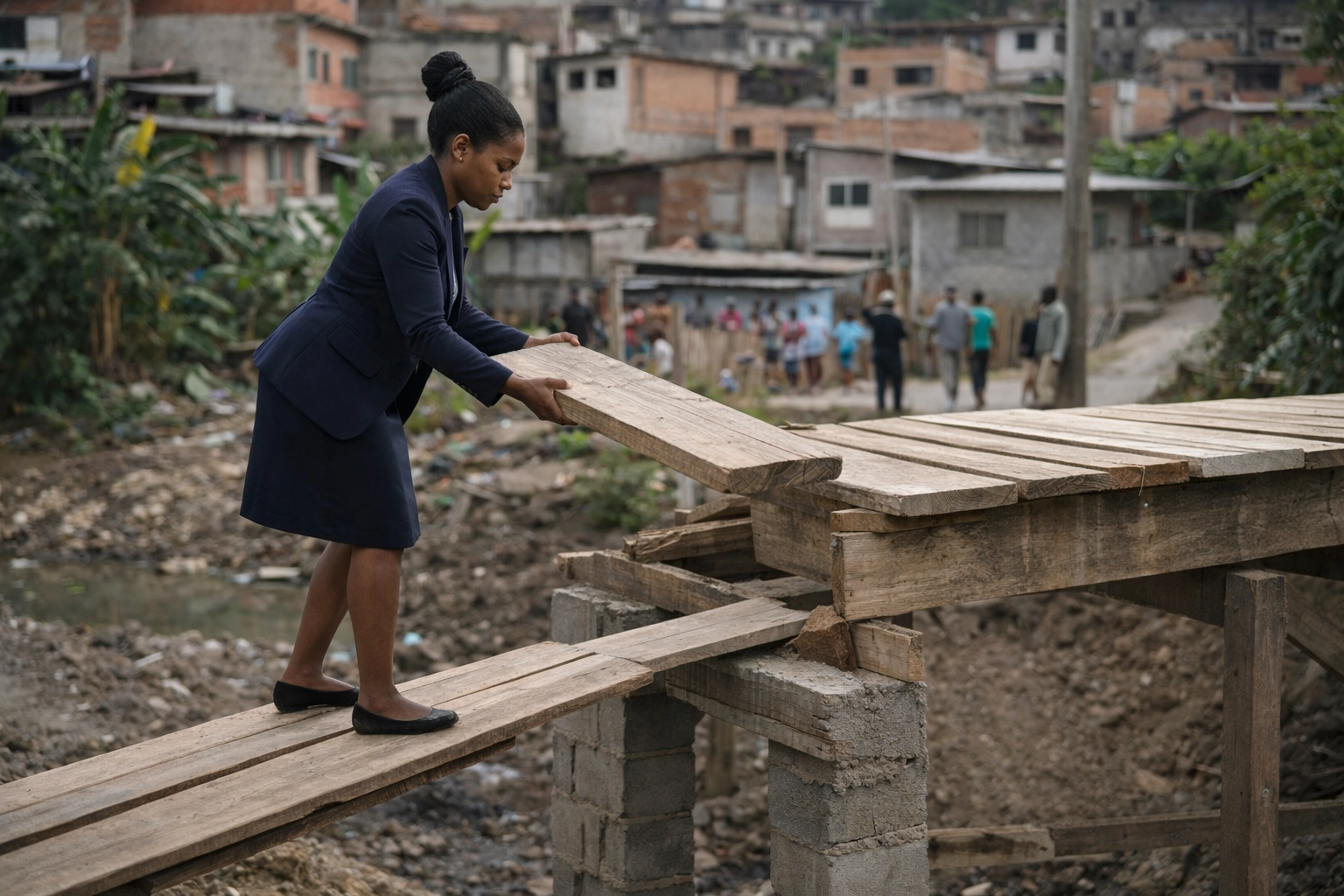
Coming home should feel like freedom. But for so many women returning from incarceration, it feels like standing at the edge of a canyon with no bridge in sight. On one side is the person you were before, the memories, the relationships, the version of yourself that existed before everything changed. On the other side is the life you're supposed to build now, the job you need, the family that's moved on without you, the community that may not want you back.
That space in between? That's the reentry gap. And it's filled with a grief that nobody talks about.

The Gap Nobody Sees
When we talk about reentry, we focus on the practical things: housing, employment, transportation, staying out of trouble. These things matter, they matter deeply. But underneath all of it, beneath the job applications and the halfway houses and the parole check-ins, there's an emotional and spiritual divide that can swallow you whole if you're not careful.
You come home, but nothing feels like home. Your children have grown. Your relationships have shifted. Your sense of self has been fractured by time, by trauma, by the weight of what you've lost. You're grieving the life you left behind, the time you can't get back, and the woman you might have been if things had gone differently.
And here's what makes it even harder: society expects you to be grateful. Grateful to be out. Grateful for a second chance. And you are grateful, but gratitude and grief can live in the same heart. You can be thankful for freedom while mourning everything that freedom cost you.
Did You Know?
Did you know that women returning from incarceration are more likely than men to face homelessness, unemployment, and family disconnection? The reentry gap for women isn't just practical, it's relational, emotional, and deeply tied to caretaking roles that were disrupted by incarceration.
Did you know that unaddressed grief during reentry increases the risk of recidivism? When the emotional wounds aren't healed, survival mode takes over, and old patterns become the only familiar ground to stand on.
This isn't just about coming home. It's about coming back to yourself, and that journey requires more than a job and an address. It requires healing.

The Grief That Lives in the Gap
Let's name what this grief looks like, because it doesn't always look like sadness. Sometimes it looks like:
- Anger that burns hot when people expect you to be "fixed" now that you're out
- Shame that wraps around you when you can't explain the gap in your resume, the years you missed, the mistakes that landed you there
- Numbness that settles in when feeling anything at all seems too dangerous
- Anxiety that keeps you awake at night wondering if you'll ever truly belong anywhere again
- Disconnection from your children, your family, even yourself, because you don't know how to bridge the distance that time and trauma created
This is grief. This is the storm you're walking through. And just like any other grief, it deserves to be witnessed, honored, and held with care.
You didn't just lose time behind bars. You lost milestones. You lost trust. You lost the version of yourself who believed in certain possibilities. And now you're being asked to rebuild a life in a world that has moved on without you, often with very little support and even less grace.
Grief is hard. Finding help doesn't have to be.

Healing as a Legacy: Breaking the Cycle
Here's where the vision shifts. Here's where we move from survival to legacy.
When you choose to address your grief, when you choose to heal, you're not just helping yourself. You're changing the trajectory of your family's story. You're breaking cycles that may have been running through generations. You're teaching your children that it's possible to come back from the hardest things life throws at you.
Healing as a legacy means understanding that every step you take toward wholeness ripples out. When you learn to name your grief instead of numbing it, your children learn that emotions don't have to be scary. When you learn to forgive yourself for what you couldn't control, you teach them that mistakes don't define destiny. When you learn to ask for help instead of carrying everything alone, you show them that strength includes vulnerability.
Your healing becomes their inheritance.
This is what bridging the reentry gap really looks like, not just finding your footing in the practical world, but reclaiming your emotional and spiritual ground. It's about building a life where you're not just surviving the gap, but transforming it into a bridge that carries you and everyone who comes after you.
What Bridging the Gap Actually Looks Like
Bridging this divide isn't about pretending the past didn't happen. It's not about "getting over it" or "moving on." It's about integration: bringing all the pieces of who you are into one whole, healed self.
This work includes:
Naming the losses. You can't grieve what you won't acknowledge. The lost years matter. The fractured relationships matter. The dreams that died matter. Grief beyond death is real, and your losses deserve to be honored.
Finding your people. You need a community that understands: that sees the gap for what it is and doesn't rush you across it. Healing happens in connection, not isolation.
Reclaiming your identity. You are more than your record. You are more than your worst decision. You are more than the time you served. You are a woman in the process of becoming, and that process is sacred.
Building new rituals. Create practices that honor where you've been while anchoring you in where you're going. This might be journaling, prayer, meditation, or simply taking walks where you can breathe and remember that you're still here.
Asking for support. Whether it's individual grief counseling or specialized programs like Grief Behind the Gavel, reaching out isn't weakness: it's wisdom.
You Don't Have to Walk This Alone
The reentry gap is real. The grief is real. The weight you're carrying is real. But so is the possibility of healing.
You deserve support that sees the whole picture: not just the practical needs, but the emotional and spiritual wounds that make reentry feel impossible some days. You deserve care that acknowledges your pain without reducing you to it. You deserve a space where you can grieve what you've lost while building what comes next.
Your story doesn't end with incarceration. It begins again with every breath you take on this side of freedom.
If you're in that gap right now: standing between who you were and who you're becoming: I want you to know something: The bridge you're building matters. Every day you show up matters. Every time you choose healing over hiding matters. Not just for you, but for everyone watching, everyone counting on you, everyone who will come after you.
Healing is hard work. But it's also legacy work. And you're worth it.
Ready to start bridging your gap? Whether you're navigating reentry, supporting someone who is, or simply need a space to process the complex grief that comes with life's hardest transitions, support is available.
About the author
Ayana Thomas, Grief Practitioner AKA The Grief Coach, brings over 20 years of experience at the intersection of human services, grief support, and justice-impacted systems. As the founder of Grieving Back to Life, Ayana’s work centers grief beyond death, addressing loss tied to trauma, incarceration, identity, and life disruption through trauma-informed, dignity-centered care.
Her approach combines lived experience and professional practice, creating spaces where grief is witnessed, not fixed, and healing unfolds at a human pace.
Gentle next step
If you’re considering reaching out, you’re welcome to contact us when you’re ready.