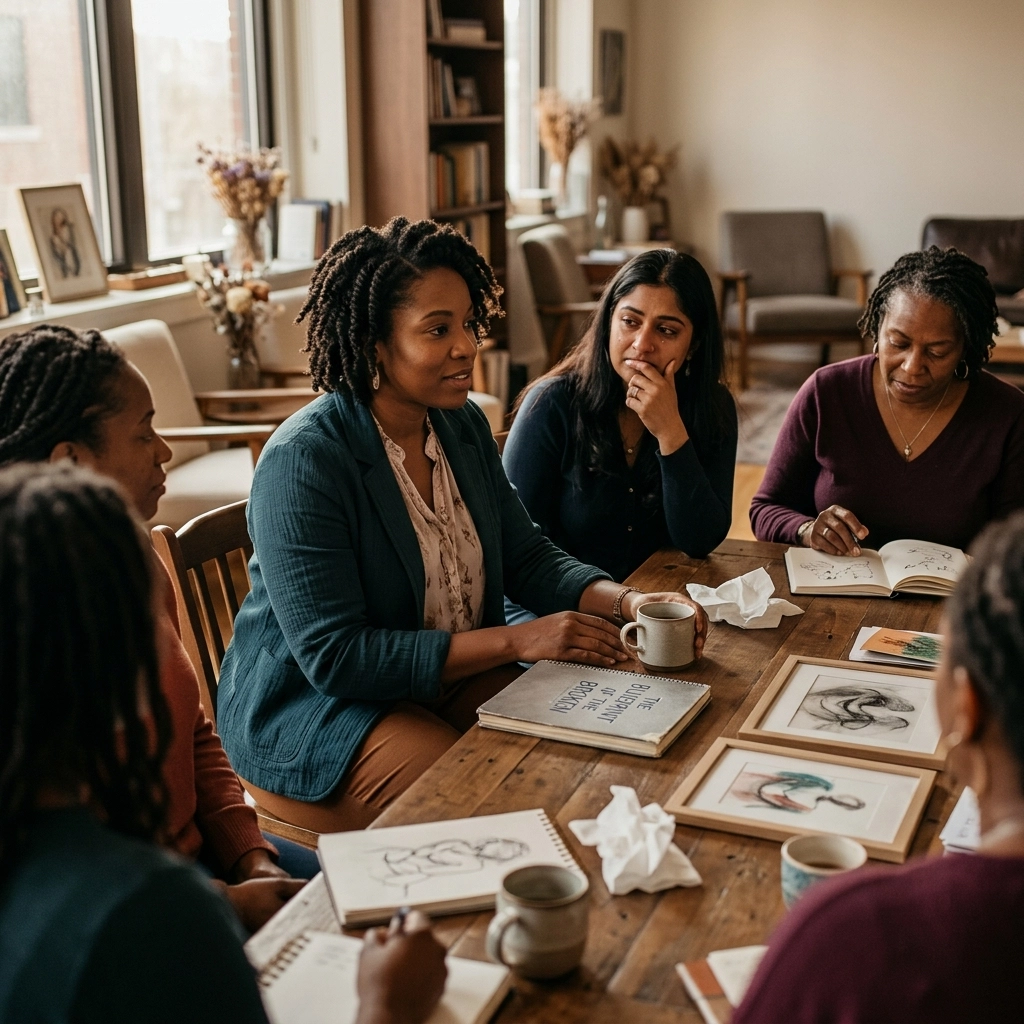
Awarness
February 27, 2026
The Price of Silence: Why the System Punishes What It Refuses to Heal
We work with women who have survived what most people refuse to name.
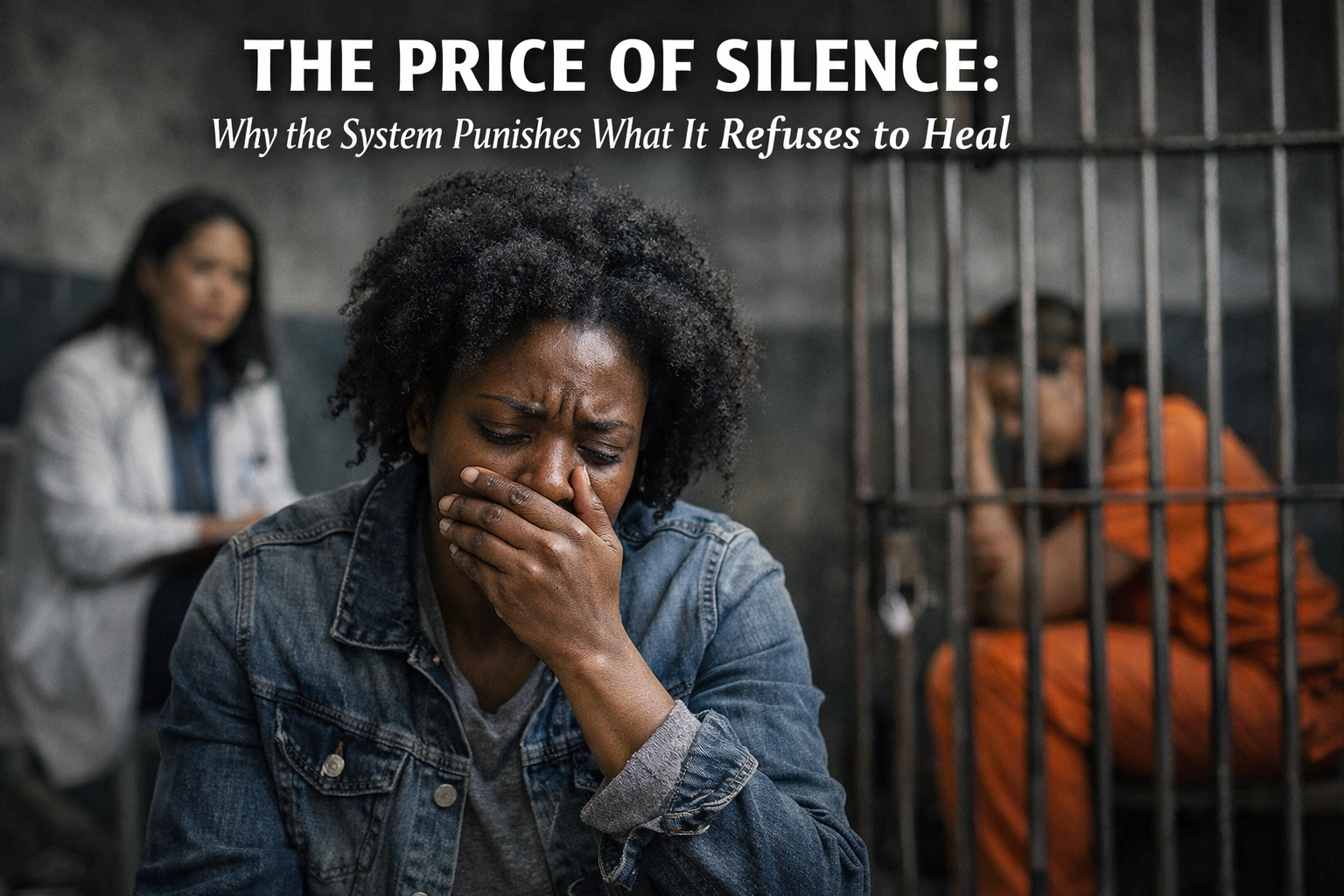
We work with women who have survived what most people refuse to name.
Not just the trauma that led them to the criminal legal system. Not just the violence they endured before incarceration. But the systemic abandonment that happens when a society decides your pain is a threat, not a truth.
The criminal legal system in America does not ask, "What happened to you?" It asks, "What did you do?" And in that single shift, grief becomes evidence. Pain becomes proof of guilt. Survival becomes a crime.
This is the price of silence.
When Grief Becomes "Non-Compliance"
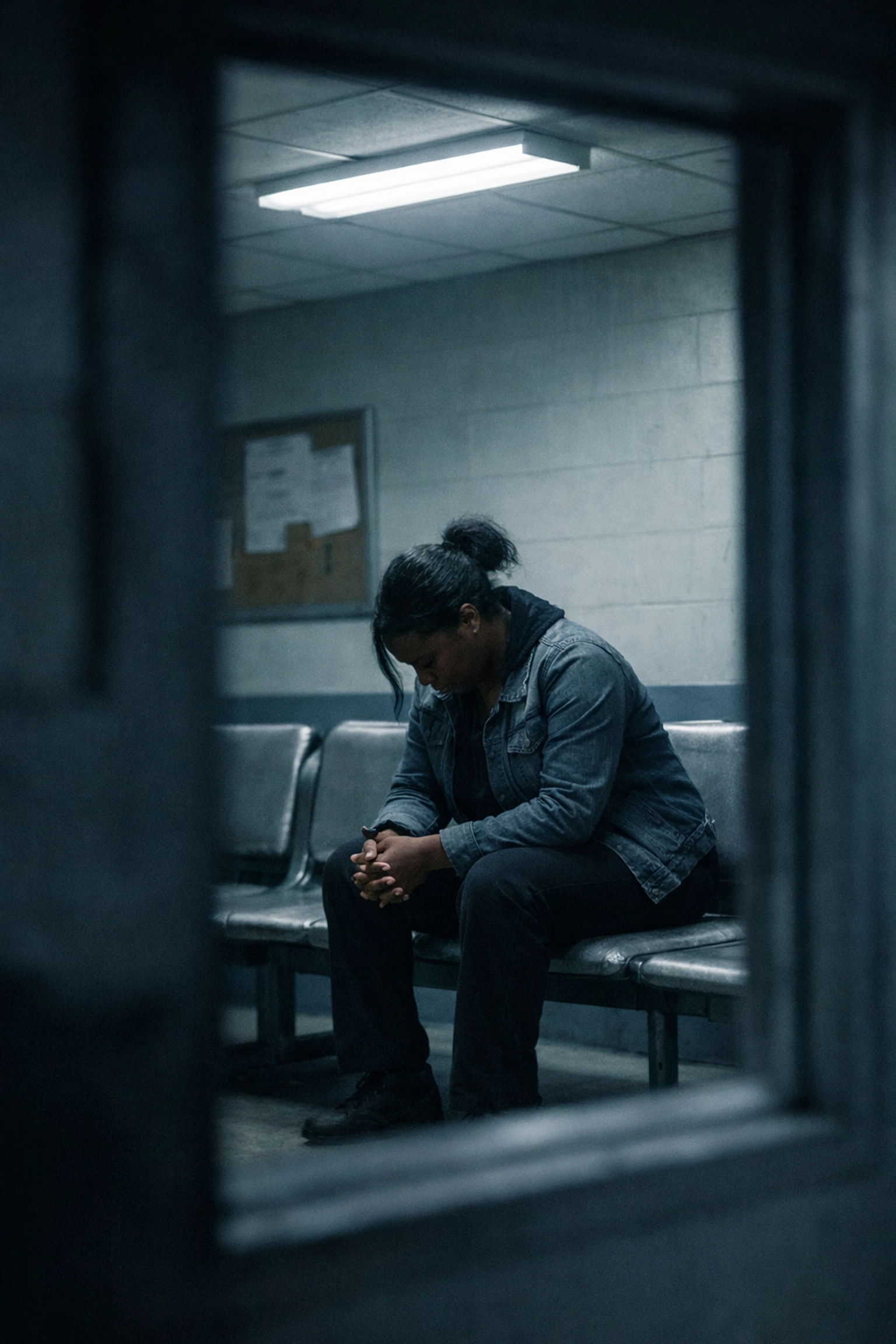
Here's what we know: trauma does not ask permission to show up. It arrives in the middle of a court hearing. It floods the body during a probation meeting. It interrupts sleep, derails focus, and makes "moving forward" feel like an impossibility.
And yet, the system calls this "resistance."
A woman who dissociates during testimony? Non-compliant.
A woman who misses a meeting because panic made her body shut down? Violation.
A woman who expresses anger because she's never been allowed to grieve? Risk.
We've been taught that justice means accountability. But what we've really built is a system that punishes people for carrying what was done to them. The criminal legal system was never designed to hold space for grief. It was designed to contain it, control it, and call it something else.
The result? Women are incarcerated not just for what they did, but for what they couldn't process.
Did You Know?
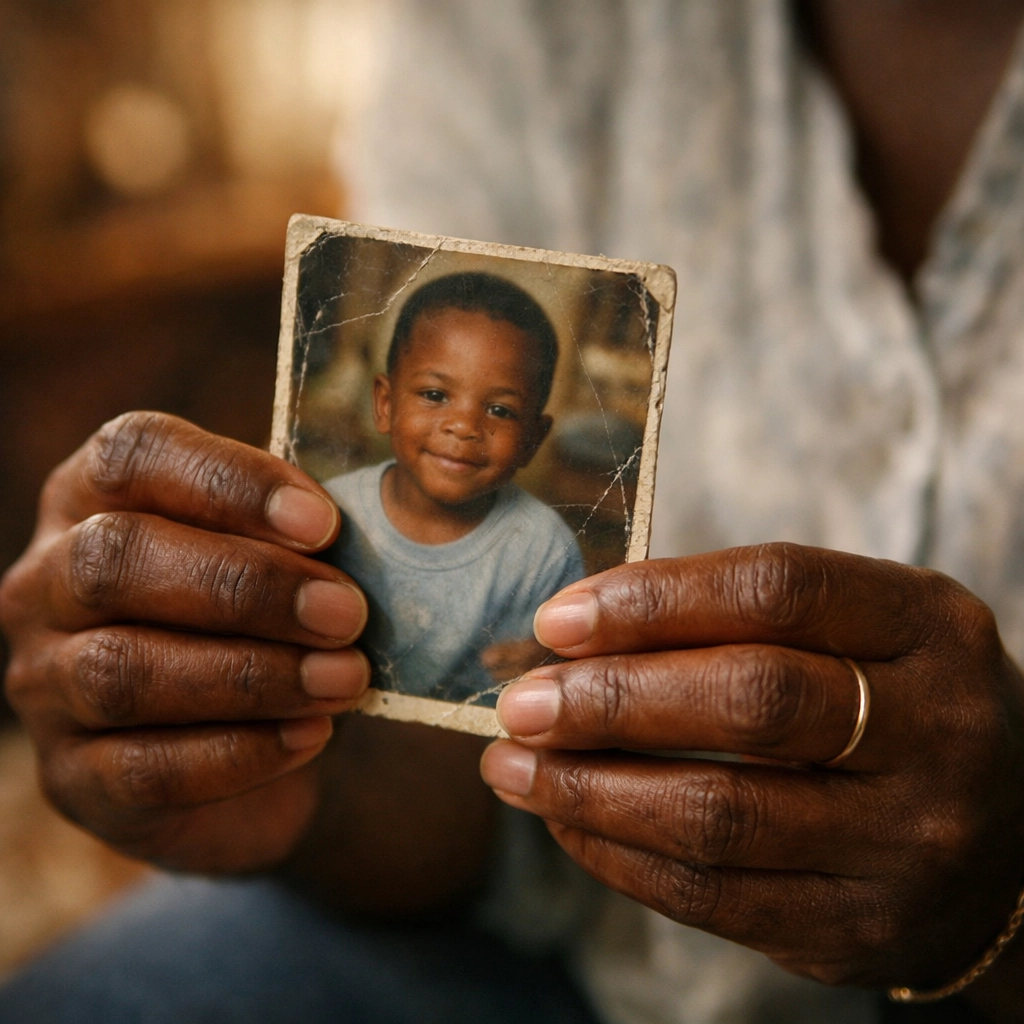
1 in 4 women in the United States has an incarcerated loved one. That's millions of mothers, daughters, sisters, and friends navigating a loss that society refuses to acknowledge. And 1.2 million women are currently involved in the criminal legal system: whether incarcerated, on probation, or on parole.
These are not statistics. These are our sisters. And their grief has been silenced long enough.

The Grief the System Refuses to See
When we talk about the criminal legal system, we often focus on punishment. But we rarely talk about what's being punished: the refusal to stay silent about pain.
Women in the system are grieving:
- The loss of freedom that came long before incarceration: freedom stolen by abuse, poverty, and violence
- The loss of safety in a world that never protected them in the first place
- The loss of identity, forced to become someone unrecognizable just to survive
- The loss of futures that were never given a chance to exist
- The loss of children, families, and the right to mother from a place of wholeness
This is disenfranchised grief: the kind of loss that society refuses to validate. The kind that gets no funeral, no flowers, no permission to fall apart.
And when you're not allowed to grieve, your body finds other ways to speak. Rage. Numbness. Withdrawal. The very behaviors the system uses to justify longer sentences, stricter supervision, and fewer chances at freedom.
The system doesn't just ignore grief. It weaponizes it.
Healing is Not Soft. Healing is Survival.
Let's be clear: healing is not about being nice. It's not about smiling through the pain or pretending the system didn't fail you. Healing is about reclaiming what was taken and refusing to let silence be your sentence.
We believe that healing is a form of resistance. Not because it's gentle, but because it's radical to choose your own humanity in a system that denies it.
Through AYANA's Grief Method™, we support women in doing what the system never allowed them to do: name the loss. Feel the weight. Integrate the grief. Not to "move on," but to move through: with purpose, with power, and without shame.
This work is not about closure. It's about reclamation.
What Justice Actually Looks Like
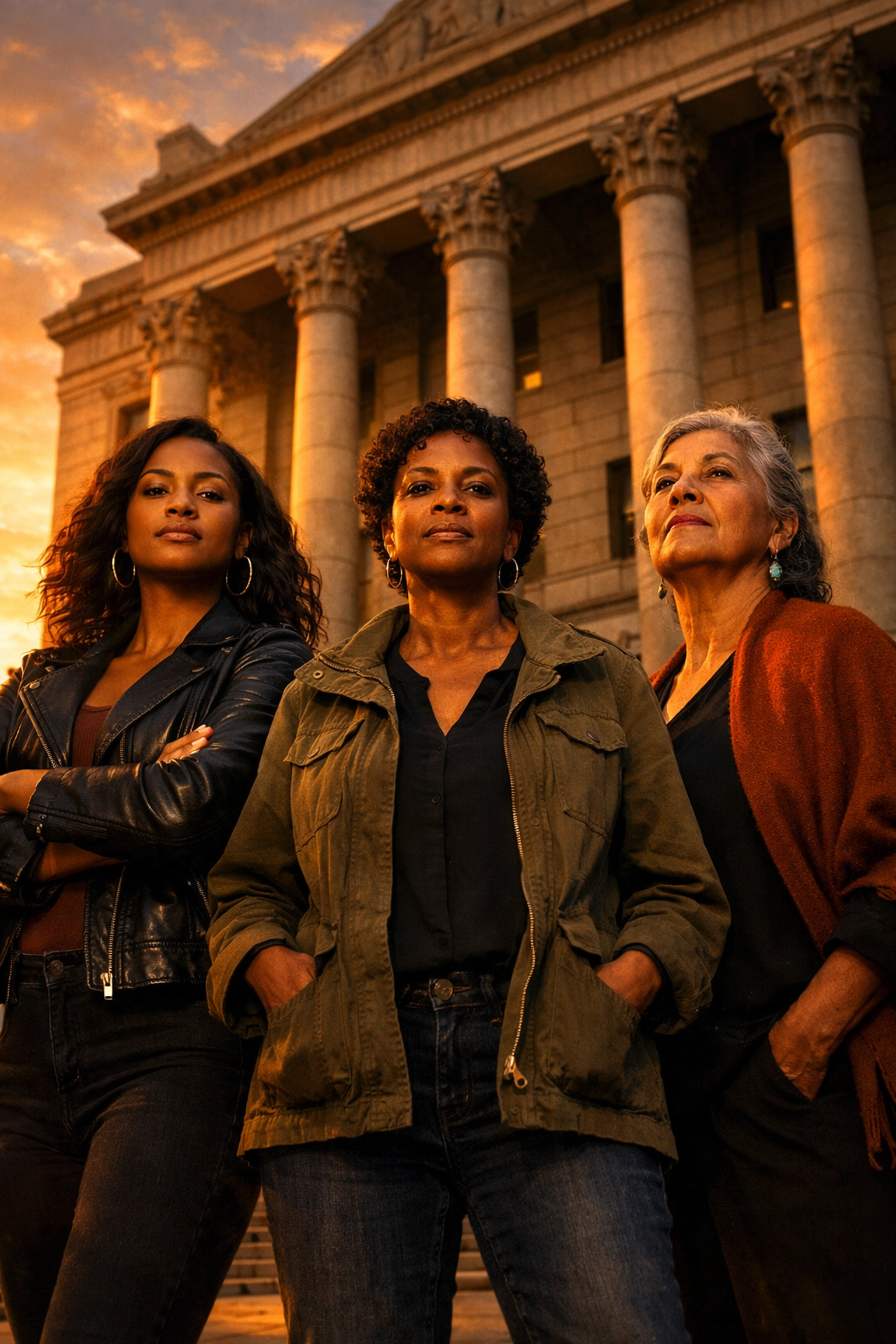
If we're going to talk about justice, we have to talk about what's actually just. And a system that punishes trauma survivors for the symptoms of their survival? That's not justice. That's compounded violence.
Real justice would ask:
- What do you need to heal?
- What was taken from you before you ever entered this courtroom?
- How do we create conditions where your grief is honored, not criminalized?
Real justice would recognize that you cannot punish someone into wholeness. You cannot incarcerate grief out of a woman's body. You cannot supervise her into safety.
What you can do is create space. Space to name what happened. Space to feel without consequence. Space to rebuild a life that holds both the grief and the hope.
That's the work we do. And that's the work the system continues to refuse.
Our Mission: Speaking the Unspeakable
At Ayana Thomas Initiative LLC, we specialize in grief-informed support for justice-involved women and the systems that serve them. We work at the intersection of trauma, loss, and systemic failure because that's where healing becomes justice.
We don't ask women to "get over it." We ask them to get through it: with tools, with support, and with the truth that their pain was never the problem. The silence was.
Our work includes:
- Individual grief counseling that centers lived experience and trauma-informed care
- Organizational workshops that teach systems how to hold grief instead of punish it
- Speaking engagements that challenge the narrative of "closure" and "moving on"
- Grief Behind the Gavel, our program designed specifically for women navigating the legal system while carrying unprocessed loss
Because we know this: the system will not heal itself. But we can build something different. Something that honors the full humanity of women who have lost too much and been asked to carry too much in silence.
The Invitation: Choose Your Voice
If you are a woman who has been told to be quiet, to comply, to "just move forward": we see you. Your grief is valid. Your anger is justified. Your survival is not a crime.
And if you are a system, an organization, or a leader who is ready to do better: we're here. Because we know that transformation is possible when we stop punishing pain and start processing it.
Healing is not soft. Healing is survival. And survival, in a system designed to break you, is an act of revolution.
About the author
Ayana Thomas, Grief Practitioner AKA The Grief Coach, brings over 20 years of experience at the intersection of human services, grief support, and justice-impacted systems. As the founder of Grieving Back to Life, Ayana’s work centers grief beyond death, addressing loss tied to trauma, incarceration, identity, and life disruption through trauma-informed, dignity-centered care.
Her approach combines lived experience and professional practice, creating spaces where grief is witnessed, not fixed, and healing unfolds at a human pace.
Gentle next step
If you’re considering reaching out, you’re welcome to contact us when you’re ready