Awareness
March 17, 2026
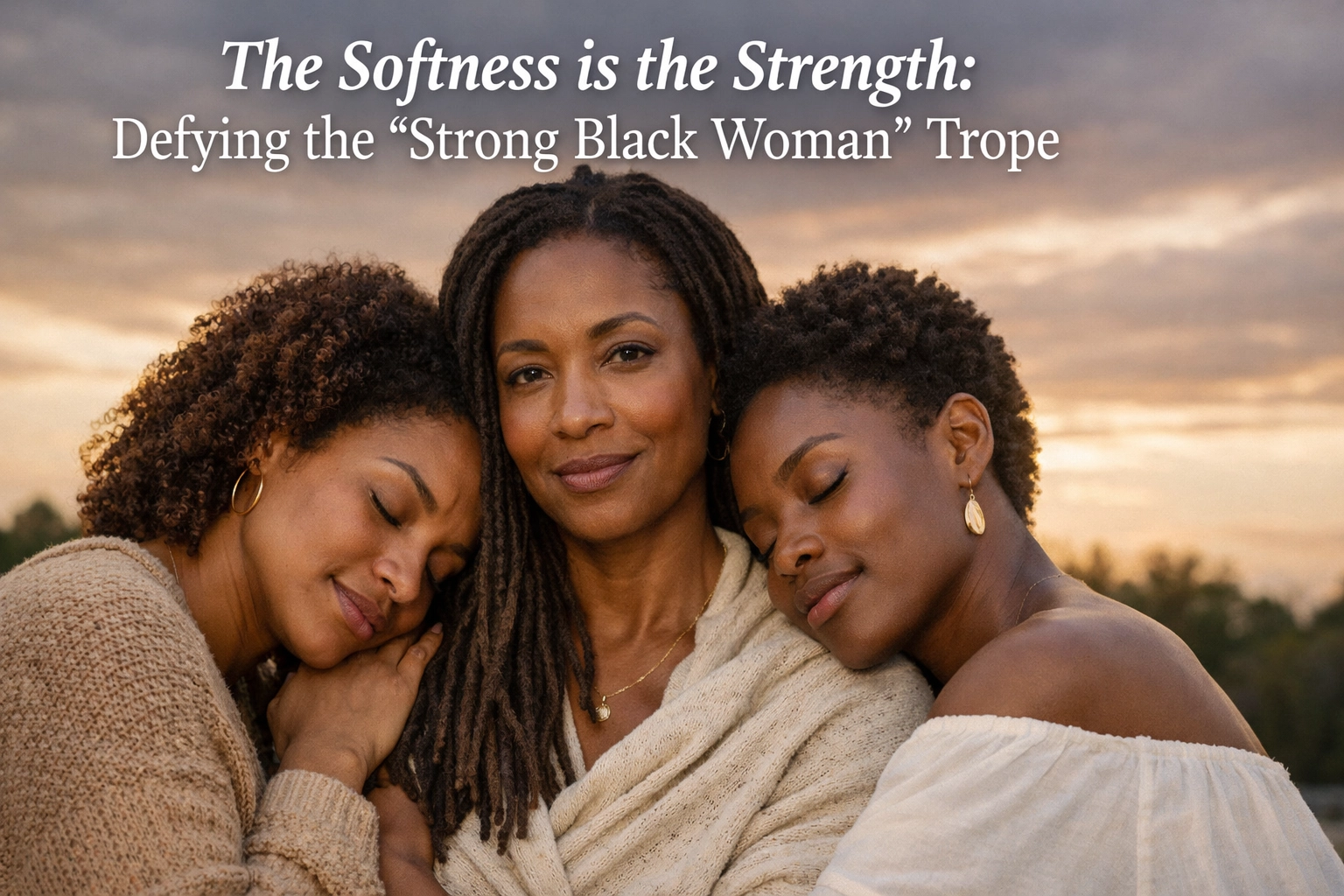
The Softness is the Strength: Defying the 'Strong Black Woman' Trope
We see the weight you carry. We see the armor you wear. For generations, society has handed you a script, and that script only has one role.
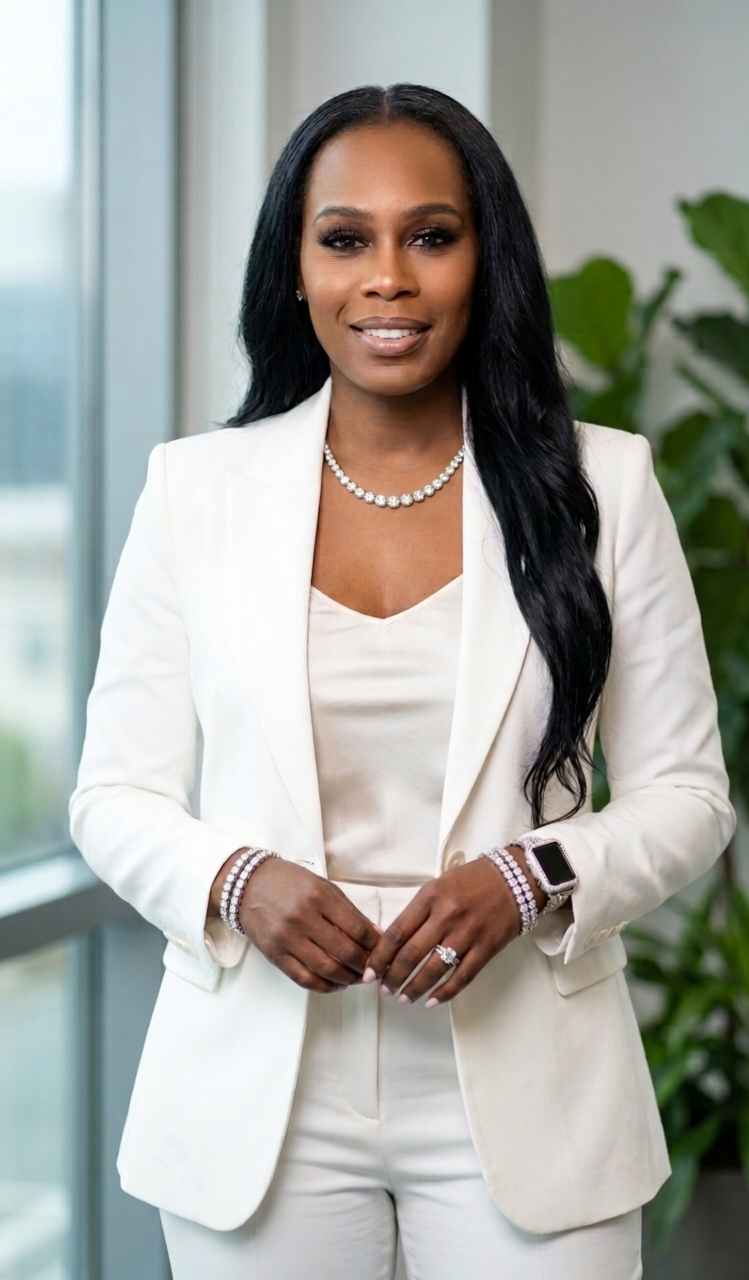
Ayana Thomas Initiative LLC provides specialized grief support and visionary wellness advocacy for women navigating the heavy intersection of the justice system and the silent, unaddressed weight of disenfranchised loss.
We see the weight you carry. We see the armor you wear. For generations, society has handed you a script, and that script only has one role: The Strong Black Woman. It tells you to be the pillar. It tells you to be the shield. It tells you to be the one who absorbs the blow but never feels the pain.
But what happens when the pillar begins to crumble? What happens when the shield is heavy enough to break your arms? This Women’s History Month, we aren't just looking back at the giants whose shoulders we stand on: we are looking at the women standing in the middle of the storm right now, fighting the urge to stay "tough" when their souls are screaming for a moment of peace.
We are here to tell you: The softness is the strength.
The Armor We Never Asked For
For the woman who has navigated the cold steel of a courtroom or the hollow echoes of a cell, "strength" hasn't been a choice; it has been a survival tactic. You were told to keep your head up. You were told to "keep it pushing." You were told that showing emotion was a liability, a sign of weakness that the system could exploit.
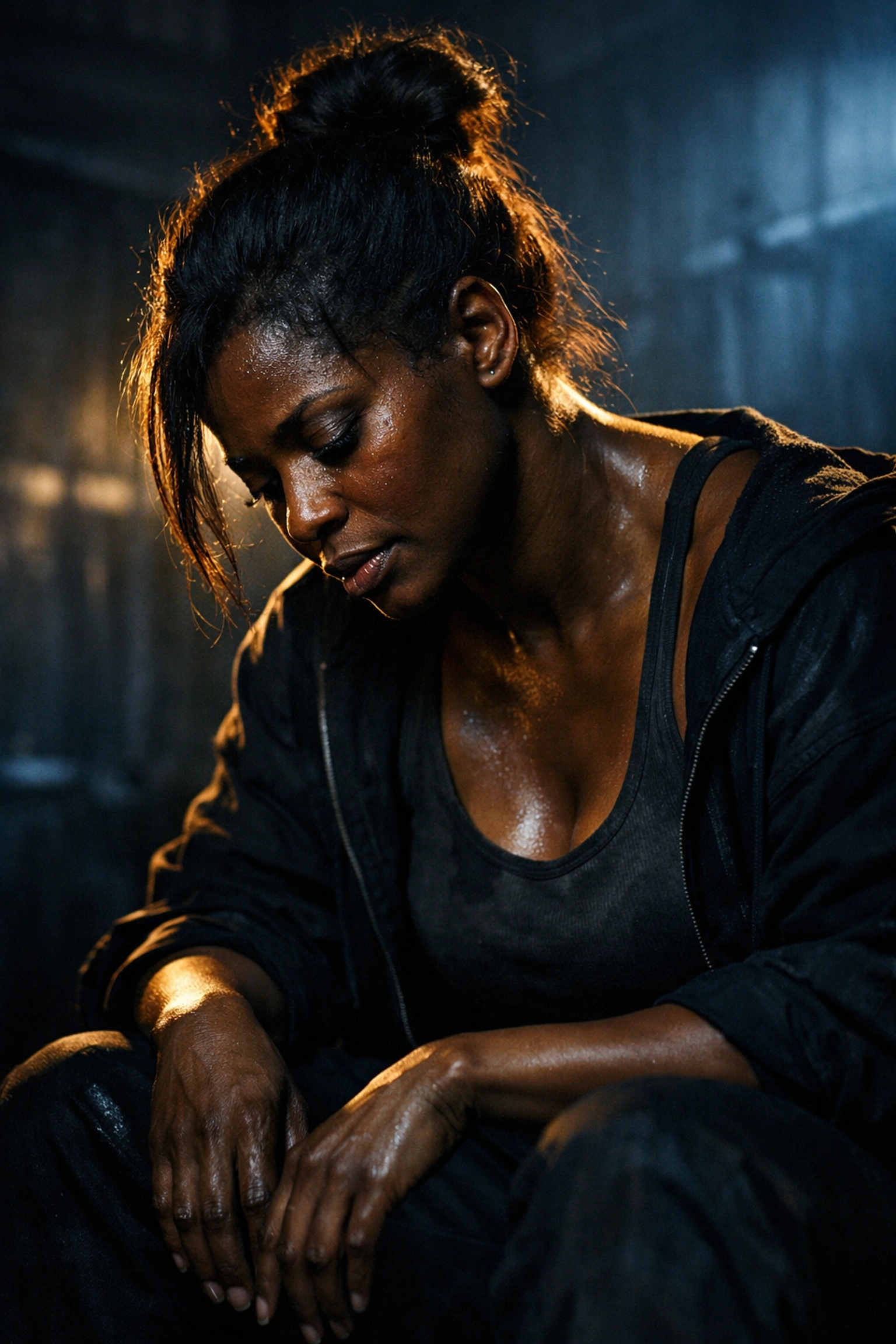
This is the Identity Heist. The system tries to steal your humanity and replace it with a number, a label, or a trope. It expects you to be a self-sacrificing superhero, free of emotion and void of needs. But this "strength" comes at a staggering cost. It creates a profound void in the heart where your true self should reside.
When you are forced to be "strong" for everyone else: your children, your community, your legal team: who is holding the space for you? When you are busy being the rock, you become the one that everyone leans on until you are buried under the weight of expectations.
In our work at Ayana Thomas Initiative LLC, we recognize that this trope is a cage. We see that for many, the "Strong Black Woman" persona is actually a mask for deep, unaddressed trauma. We are here to help you take the mask off.
Our Mission: Reclaiming the Narrative
Our Mission is to disrupt the "Grief-to-Prison Pipeline" by providing a sanctuary where vulnerability is celebrated as the ultimate act of defiance. We believe that healing is not about "getting over it" or "toughening up": it is about grieving back to life.
We empower ALL women, with a specialized focus on those impacted by the criminal legal system, to acknowledge the losses that the world refuses to name. Whether it is the loss of time, the loss of reputation, or the loss of the woman you were before the crisis hit, your grief is valid.
- We believe in a world where Black women are allowed to be fragile.
- We believe that seeking help is the most courageous thing you will ever do.
- We believe that your worth is not tied to how much pain you can endure.

By navigating uncharted territory together, we transform the storm of grief into a catalyst for revolutionary self-care. We don’t just offer support; we offer a way back to your own heart.
Did you know?
- Did you know that Black women who strongly identify with the "Strong Black Woman" trope are significantly more likely to experience elevated mental health burdens, including chronic stress and depression?
- Did you know that only about half of Black women experiencing a major depressive episode actually seek professional help, often due to the societal pressure to remain "unbreakable"?
- Did you know that for many justice-impacted women, their "defiant" behavior is often a misread survival response to unresolved grief and trauma?
- Did you know that women are the fastest-growing segment of the incarcerated population, yet their specific mental health and grief needs are the most frequently ignored?
The Silence of the "Strong" (Disenfranchised Grief)
When you are "strong," your tears become the constant dialogue you have with yourself in the middle of the night. You mourn in silence because the world doesn't recognize your loss. This is disenfranchised grief: the pain that society says you don't have a right to feel.
If you have been through the system, the world expects you to just be "grateful" to be home or "lucky" to have survived. They don't see the grief beyond death. They don't see the loss of the years you can’t get back. They don’t see the trauma of the "Identity Heist."
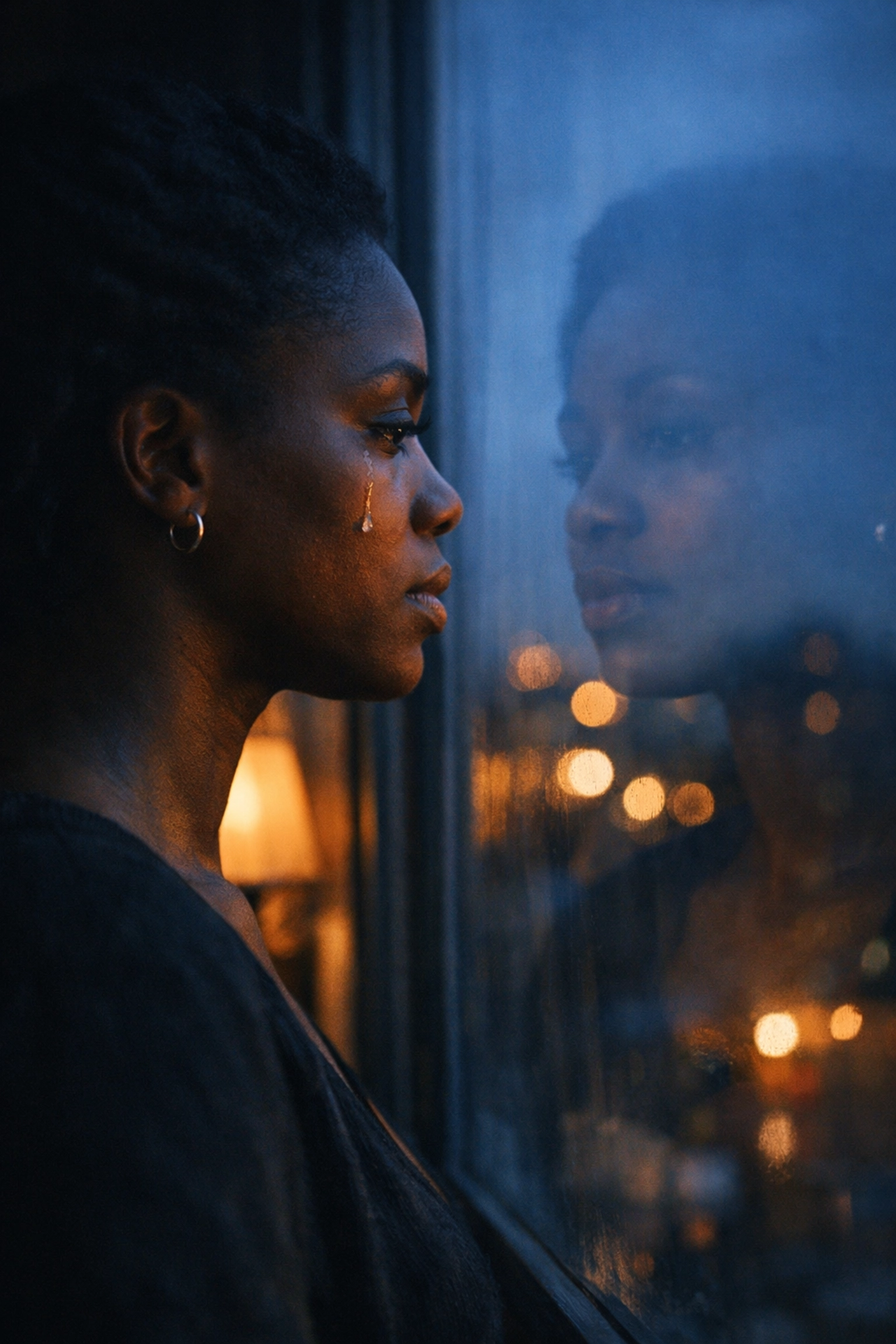
We recognize that what grief looks like isn't always a funeral. Sometimes, grief looks like anger. Sometimes, it looks like hyper-independence. Sometimes, it looks like a woman who refuses to ask for help because she’s been told her whole life that she is the help.
But listen closely: You do not have to be the pillar anymore. You are allowed to be the water. You are allowed to flow, to change, to crash, and to be still.
Breaking the Porcelain to Find the Gold
Think of your life as a piece of art. The world expects you to be a perfectly glazed porcelain vase: hard, smooth, and unbreakable. But when life hits, porcelain doesn't just bend; it shatters.
There is an ancient art form called Kintsugi, where broken pottery is repaired with gold. The cracks aren't hidden; they are highlighted. The piece becomes more beautiful and more valuable because it was broken and then restored.
This is the work of Grieving Back to Life. We don't try to "fix" the cracks. We don't try to glue the old "Strong Black Woman" back together. Instead, we use the gold of self-compassion, the gold of community, and the gold of individual counseling to create something new.
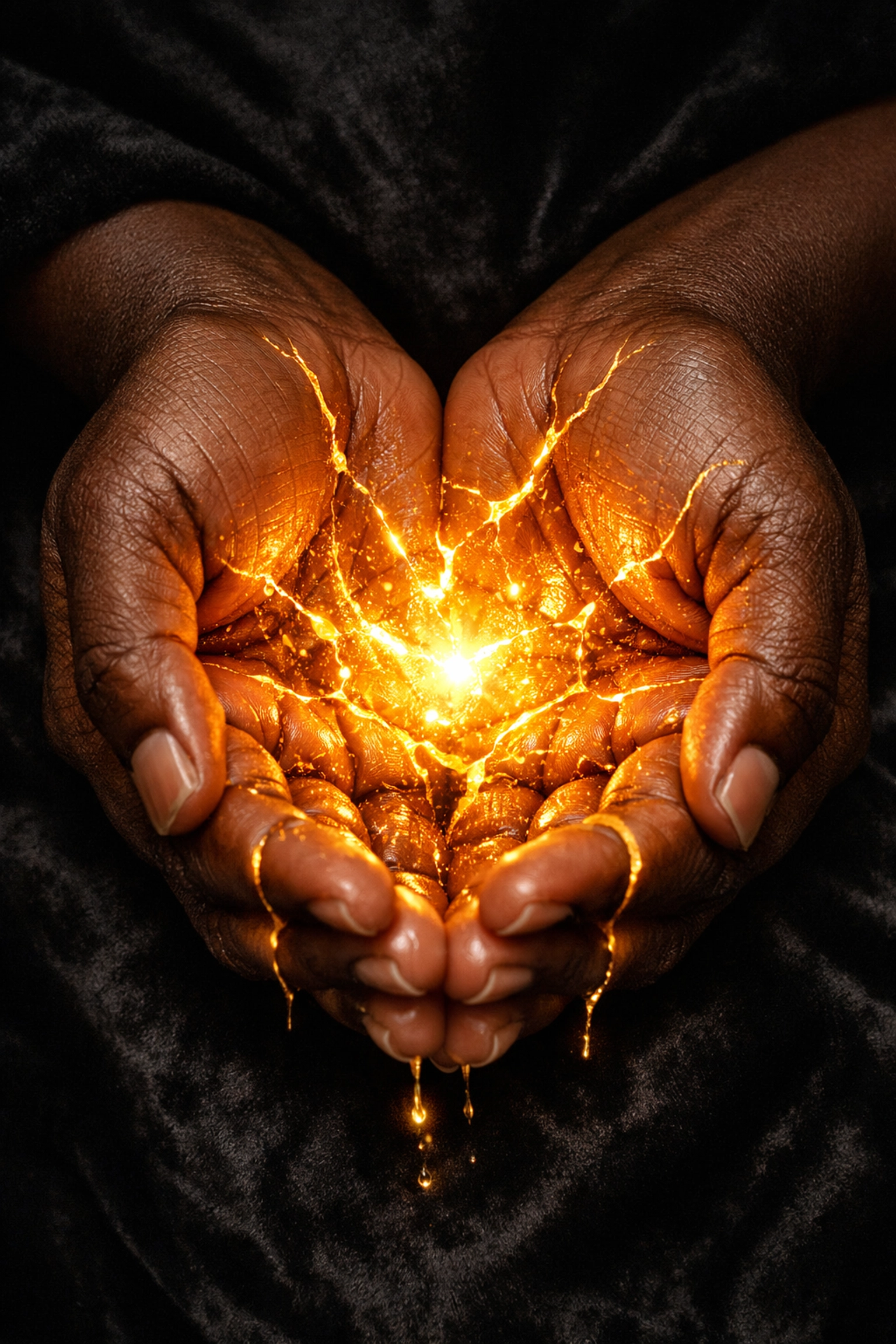
Your softness is the gold. Your willingness to say, "I am hurting," is the revolution. Your decision to prioritize your own well-being over a harmful stereotype is the greatest legacy you can leave for the women coming after you.
A Visionary Path Forward
Women’s History Month is often about the public battles: the marches, the speeches, the "firsts." But we want to honor the private battles. We honor the woman who decided to finally go to therapy. We honor the mother who allowed herself to cry in front of her children so they would know it’s okay to feel. We honor the sister who is reclaiming her narrative after a life disruption.
We are building a future where Black women don't have to be "strong" just to survive. We are building a future where softness is recognized as a position of power.
We will guide you through the storm. We will hold the light while you find your way back to yourself. We will remind you, over and over again, that your vulnerability is not a flaw: it is your most potent medicine.
As the great Audre Lorde said, "Caring for myself is not self-indulgence, it is self-preservation, and that is an act of political warfare."
When you choose softness, you are winning the war.
Grief is hard, finding help doesn't have to be!
About the author
Ayana Thomas, Grief Practitioner AKA The Grief Coach, brings over 20 years of experience at the intersection of human services, grief support, and justice-impacted systems. As the founder of Grieving Back to Life, Ayana’s work centers grief beyond death, addressing loss tied to trauma, incarceration, identity, and life disruption through trauma-informed, dignity-centered care.
Her approach combines lived experience and professional practice, creating spaces where grief is witnessed, not fixed, and healing unfolds at a human pace.
Gentle next step
If you’re considering reaching out, you’re welcome to contact us when you’re ready