Education
March 19, 2026
The Unwritten History of Incarcerated Women
History is not just a collection of dates and names found in a textbook; it is the vibration of the stories left off the page.
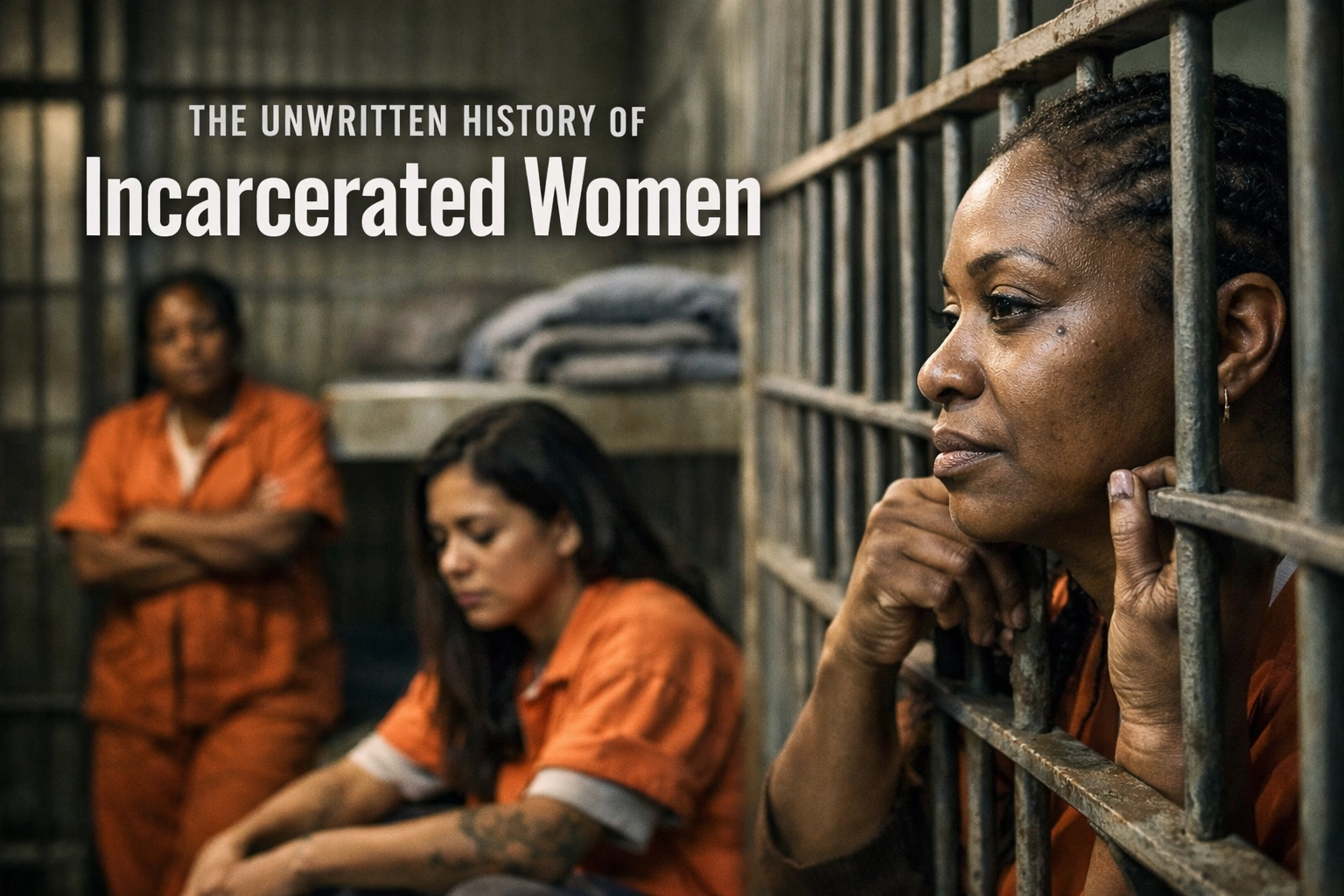
We are the witnesses to the stories the state tried to bury and the voices the system tried to mute. At Ayana Thomas Initiative LLC, we stand at the intersection of justice and healing, specializing in the profound, often invisible grief of women who have navigated the labyrinth of the criminal legal system.
History is not just a collection of dates and names found in a textbook; it is the vibration of the stories left off the page. It is the metaphorical fire that burns in the silence of a solitary cell. For incarcerated women, history has been written by those who held the keys, not those who wore the shackles. It has been a narrative of erasure, a deliberate fog meant to obscure the humanity, the motherhood, and the divinity of women behind bars.
This is National Criminal Justice Month, and we are here to set the record straight. We are here to speak the unwritten.
The Archives of Silence: What They Didn't Tell You
When the Indiana Women's Prison opened in 1873, it was marketed as a sanctuary: a place to protect "fallen" women from the abuse they faced in men's facilities. But look closer at the ink. For the first 24 years of its existence, not a single woman was recorded as being incarcerated for prostitution. Why? Because the most marginalized, the most "stigmatized," were quietly funneled into Catholic Houses of the Good Shepherd. They were hidden in Magdalene laundries, forced into punitive labor under a veil of religious "reform."
History was sanitized while women were sacrificed.
The system has always been a master of the "bait and switch." It creates a public face of rehabilitation while operating a private engine of exploitation. When we talk about the history of incarcerated women, we are talking about a profound void in the heart of the American narrative. We are talking about women who were stripped, water-boarded, and placed in solitary confinement: not as a matter of public record, but as a whispered legacy of state-sanctioned violence.
Did you know?
Did you know that although women’s jail populations grew 14-fold between 1970 and 2014, researchers still claim there is "surprisingly little research" on why this explosion happened?
The "why" is not a mystery to us. The "why" is rooted in a system that misreads pain for defiance and treats grief as a curriculum it refuses to teach.
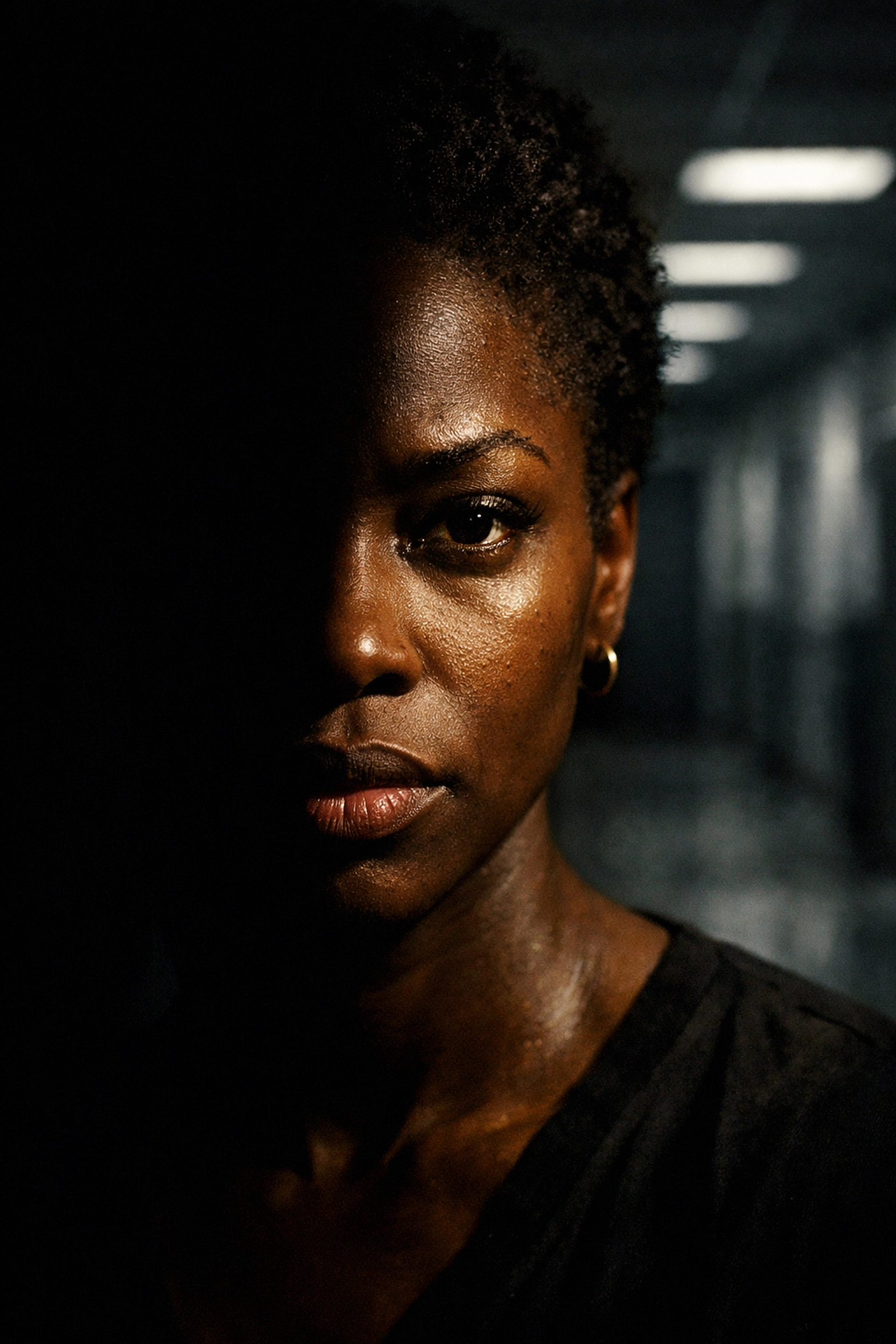
The Stolen Names and Shattered Wombs
To be a woman in the system is to have your body treated as state property. The unwritten history is one of reproductive oppression that feels like a storm of grief with no shelter. We must speak about the perinatal shackling. We must speak about the handcuffs and leg irons that bite into the skin of a woman in labor.
Imagine the rhythm of contractions competing with the cold clink of steel. Imagine giving birth in a prison cell, the first sound your child hears being the jangle of a guard’s keys. These are not scenes from a dystopian novel; these are the lived realities that the system tries to erase from its "official" history. When a woman is subjected to a strip search immediately after delivery, with fresh stitches and a heart breaking for a baby she cannot hold, that is not "justice." That is a crime against the soul.
We see you. We hear the tears that become the constant dialogue in the middle of the night. This is why our work at Grief Behind the Gavel is so vital. We understand that the loss of a child to the system, or the loss of one's own bodily autonomy, creates a disenfranchised grief that society refuses to acknowledge.
The Trauma-to-Prison Pipeline: A Legacy of Unhealed Wounds
They call it a "criminal record." We call it a survival map.
The unwritten history of incarcerated women is almost always a history of unaddressed trauma. Before the handcuffs, there was the hand that struck them. Before the cell, there was the childhood of physical abuse. Before the "defendant" label, there was a victim of domestic violence and sexual assault.
This is the Grief-to-Prison Pipeline. We see a pattern where the system punishes survival. It ignores the storm of grief that rages within a woman who has lost her safety, her home, and her identity long before she ever saw a courtroom.
- They didn't write about the grief of the girl who had to grow up too fast.
- They didn't write about the grief of the mother who stole to feed her children.
- They didn't write about the grief of the woman who fought back against her abuser and found herself in a cage for it.
Did you know?
Did you know that major media outlets almost never publish "redemption stories" about formerly incarcerated Black women, despite the thousands of lives being rebuilt every single day?
The silence is a choice. But we are choosing to speak.
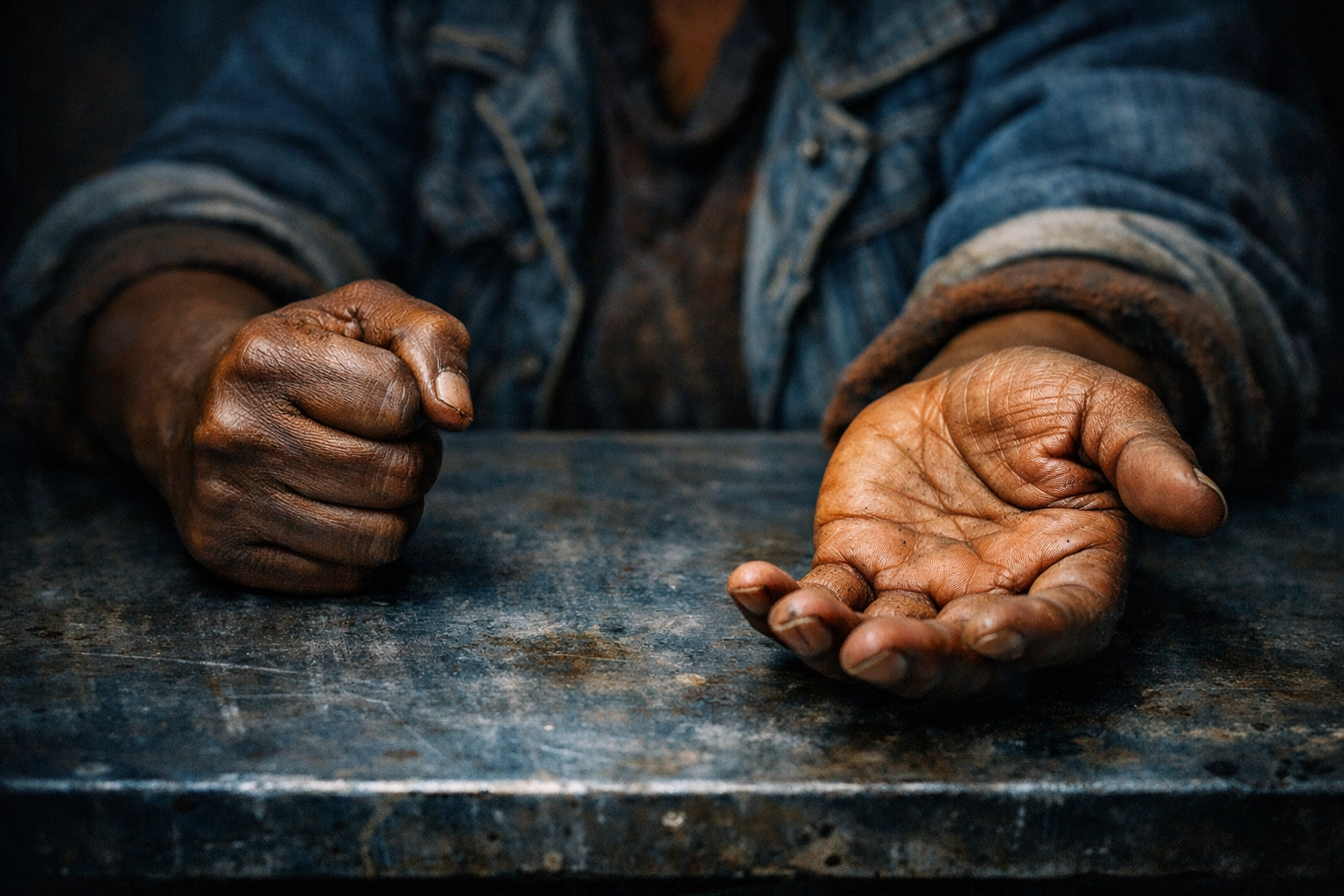
Our Mission: Reclaiming the Narrative
Our mission is to bridge the gap between the record and the soul. We are here to help you navigate uncharted territory and find your way back to yourself. The system wants you to believe you are your "number" or your "offense," but we know that you are a legacy of resilience.
We focus on Identity Beyond the Record. Reclaiming your narrative means taking the pen back. It means refusing to let the state write the final chapter of your life. It means acknowledging the grief, the loss, and the pain, and then choosing to grieve back to life.
Our Mission at Ayana Thomas Initiative LLC is to provide a sanctuary for ALL women, especially those impacted by the legal system, to process their losses with dignity. We don't just "manage" grief; we witness it. We don't "fix" you, because you aren't broken: you are a human being navigating a broken world.
Grief is Hard, Finding Help Doesn't Have To Be!
If you are feeling the weight of the "unwritten," if you are carrying the heavy bag of a history that no one seems to want to hear, know that you do not have to carry it alone. Whether you are currently impacted, formerly incarcerated, or the loved one of someone who is, your pain is valid. Your story is essential.
"History, despite its wrenching pain, cannot be unlived, but if faced with courage, need not be lived again." : Maya Angelou
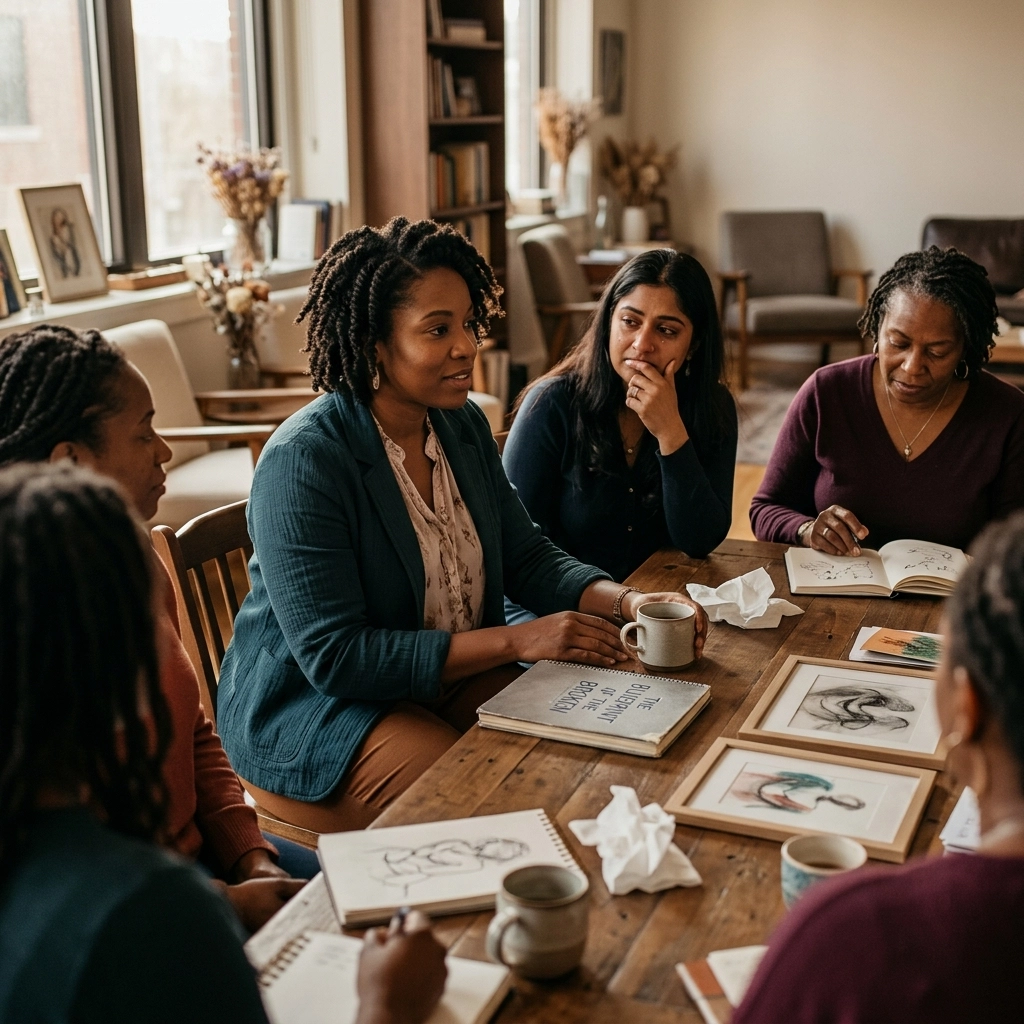
We invite you to explore our Individual Grief Counseling or join us for our events where we gather to speak the truth in a world of lies.
The unwritten history is finally being told. And the protagonist is YOU.

Grief is hard, finding help doesn't have to be! We are here to guide you through the storm and help you see the light on the other side of the bars: both the physical ones and the ones we build around our hearts.
About the author
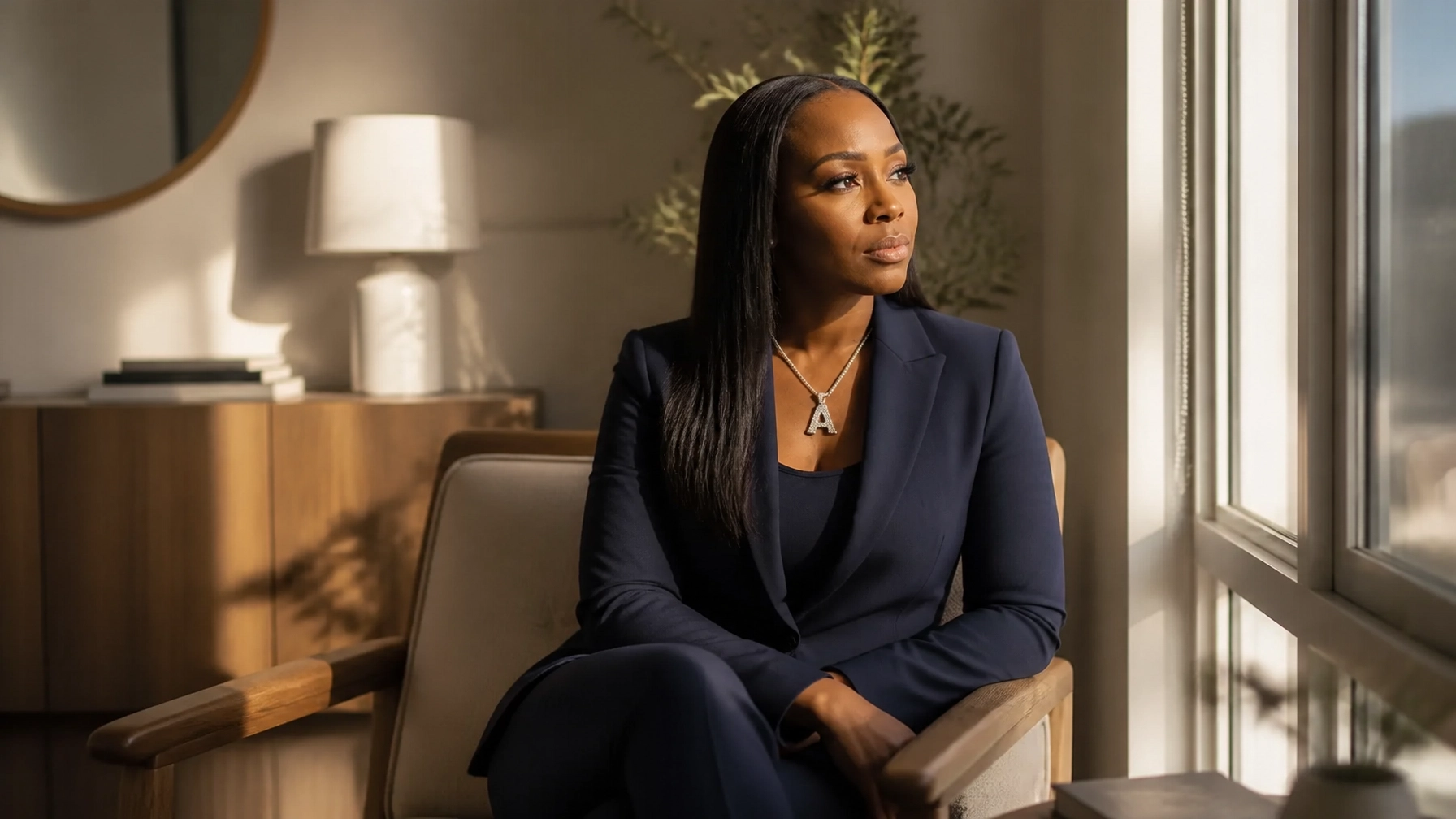
Ayana Thomas, Grief Practitioner aka The Grief Coach, brings over 20 years of experience at the intersection of human services, grief support, and justice-impacted systems. As the founder of Grieving Back to Life, Ayana’s work centers grief beyond death, addressing loss tied to trauma, incarceration, identity, and life disruption through trauma-informed, dignity-centered care.
Her approach combines lived experience and professional practice, creating spaces where grief is witnessed, not fixed, and healing unfolds at a human pace.
Gentle next step
If you’re considering reaching out, you’re welcome to contact us when you’re ready